Are you ready to unlock the biggest opportunities in design for 2025? Whether you’re a seasoned designer or just passionate about creativity, this year is set to redefine how you make an impact.
From bold contrasts and AI-powered realism to storytelling that touches emotions, the design world is bursting with new ways to captivate your audience. Imagine blending digital and physical experiences seamlessly—that’s where phygital comes in, helping you elevate your content marketing game like never before.
Dive in to discover how you can harness these trends and tools to transform your designs and leave a lasting mark. Your chance to stand out and shape the future starts here.
Introduction To Design Opportunities In 2025
Design in 2025 offers vast opportunities to shape experiences and environments. The field is evolving rapidly, influenced by technology and cultural shifts. Designers can make a real impact by embracing new trends and responding to changing user needs.
Emerging styles and tools will redefine how we create and connect with audiences. This section explores the key areas where designers can thrive and influence the future.
Overview Of Emerging Design Trends
Several trends are shaping design in 2025. These trends focus on creativity, emotion, and authenticity:
- AI Realism and Creativity: AI tools create realistic designs and assist in creative processes.
- Bold Contrast & Maximalism: Designs use strong color contrasts and layered patterns, moving beyond minimalism.
- Emotion-Powered & Conceptual Design: Visuals express feelings and abstract ideas to tell deeper stories.
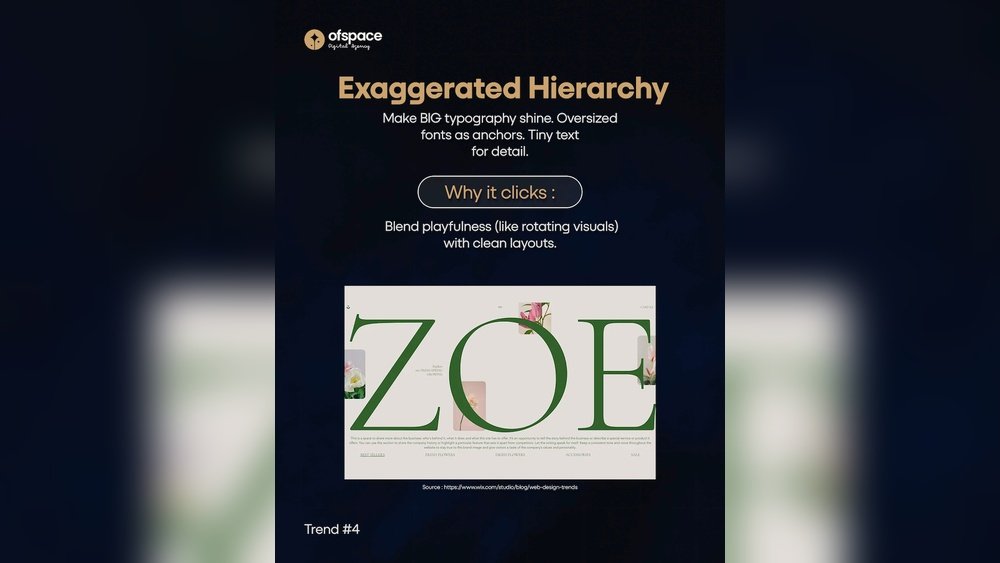
- Typography Focus: Fonts become expressive and central to design communication.
- Retro & Nostalgic Vibes: Vintage styles return with modern twists for fresh appeal.
In home design, natural elements gain priority:
| Trend | Description |
|---|---|
| Organic Modern & Natural Materials | Use of wood, stone, and organic shapes connects spaces to nature. |
| Warm, Earthy Color Palettes | Colors that ground and comfort, like deep browns and greens. |
| Layered Textures | Combining different textures adds depth and richness. |
| Maximalism & Individuality | Personalized designs that celebrate uniqueness and boldness. |
Why 2025 Is A Pivotal Year For Designers
The year 2025 marks a turning point for design professionals. Several factors contribute to this:
- Advances in AI: AI tools become more accessible and powerful for design tasks.
- Demand for Personalization: Users expect tailored experiences and meaningful stories.
- Blend of Digital and Physical: The rise of phygital experiences merges online and real-world design.
- Focus on Sustainability: Natural materials and eco-conscious design gain importance.
- Emotional Connection: Designs that evoke feelings stand out and engage deeply.
Designers who adapt to these shifts will find exciting chances to influence culture and industry. 2025 is a year to innovate and create with purpose.
Harnessing Ai For Realistic And Creative Design
Artificial Intelligence (AI) is reshaping design in 2025. It blends realism with creativity, enabling designers to craft visuals that feel authentic yet imaginative. AI tools help create detailed, lifelike images while sparking new ideas beyond human limits. This synergy expands what design can achieve, making projects more engaging and impactful.
Designers now use AI to generate textures, colors, and elements that mimic real-world materials. The result is more immersive and personalized experiences for audiences. AI also speeds up routine tasks, freeing time for creative thinking.
Enhancing Creativity With Ai-generated Realism
AI creates highly realistic visuals that inspire new creative directions. For example, AI can simulate natural lighting and textures, making digital designs appear more tangible. This realism helps designers visualize concepts clearly and share ideas with clients effectively.
- AI generates photo-quality images in seconds.
- Designers experiment with styles by blending AI outputs.
- Realism boosts trust and emotional connection in branding.
These benefits push creative boundaries while keeping designs relatable.
Solving Design Challenges Through Ai Automation
AI automates many time-consuming design tasks. This reduces errors and speeds up workflows. Tasks like color matching, layout adjustments, and image editing become easier with AI tools.
- Automatic resizing for multiple platforms.
- Smart background removal and object detection.
- Generating design variants quickly for testing.
Automation lets designers focus on innovation rather than repetitive work. It also improves consistency across projects, ensuring brand guidelines are met.
Importance Of Ai In Expanding Design Capabilities
AI expands what designers can do. It offers:
| Capability | Impact |
|---|---|
| Data-Driven Insights | Helps tailor designs to audience preferences. |
| Adaptive Design | Creates personalized experiences for users. |
| Collaborative Tools | Enhances teamwork with real-time AI suggestions. |
Tools like phygital integrate AI for content marketing designs. They combine AI realism with storytelling, making campaigns more memorable.
Bold Contrast And Maximalism: Breaking Minimalism
Bold contrast and maximalism are reshaping design trends for 2025. This shift challenges the long-standing preference for minimalism by embracing vibrant colors, rich textures, and layered visuals. The new approach creates stronger emotional connections and dynamic visual experiences. Designs become more expressive, personalized, and engaging.
These trends reflect a desire for uniqueness and storytelling in design. They invite designers to mix patterns, colors, and textures boldly. This style encourages breaking rules to capture attention and convey personality.
Creating Impact With High-contrast Color Schemes
High-contrast color schemes use colors that sharply differ in tone and brightness. This technique grabs attention quickly and guides the viewer’s eye through the design.
- Enhances readability: Text and elements stand out clearly.
- Creates energy: Bold colors evoke strong emotions.
- Builds hierarchy: Important parts become focal points.
Examples include pairing deep blacks with bright neons or combining warm and cool tones. High contrast suits digital content and print, making designs memorable and striking.
Leveraging Maximalist Styles To Express Personality
Maximalism celebrates abundance and diversity in design. It layers patterns, textures, and colors to reflect individuality and creativity.
- Mix patterns: Combine florals, geometrics, and abstract shapes.
- Use rich textures: Incorporate fabrics, natural materials, and digital effects.
- Play with scale: Contrast large and small elements for visual interest.
This style fits brands and creators who want to stand out. It tells a story through design, making content feel personal and alive.
Why Bold Design Choices Resonate With Modern Audiences
Modern audiences crave authenticity and emotional connection. Bold designs meet this need by being daring and expressive.
- Captures attention: Bright and layered visuals break through the noise.
- Feels personal: Maximalist details show human touch and uniqueness.
- Encourages engagement: Strong visuals invite viewers to explore and interact.
Bold contrast and maximalism create memorable experiences. They help brands express their values and connect deeply with their audience.
Credit: www.eduplusnow.com
Emotion-powered And Conceptual Design Trends
Design in 2025 will focus more on emotion and abstract ideas. This approach creates stronger bonds between brands and people. It goes beyond visuals to tell stories that touch the heart and mind. Designers will use feelings and concepts to make content memorable and meaningful.
Using Emotional Storytelling To Engage Audiences
Emotional storytelling uses narratives that connect deeply with the audience. Stories with relatable feelings help users feel understood and valued.
- Characters that show real emotions
- Situations that reflect everyday life
- Visuals that evoke empathy and warmth
This method invites users to spend more time with content. It builds trust and encourages sharing. Emotional stories turn simple messages into powerful experiences.
Incorporating Abstract Concepts For Deeper Impact
Abstract concepts add layers of meaning to design. They invite viewers to think and feel beyond the obvious.
Designers use shapes, colors, and forms that are symbolic or open to interpretation. This approach sparks curiosity and personal connection.
| Abstract Element | Purpose | Effect on Audience |
|---|---|---|
| Geometric Patterns | Suggest order and harmony | Calm and focus |
| Blurred Imagery | Represent memories or dreams | Nostalgia and reflection |
| Unusual Color Combinations | Create surprise and interest | Engagement and delight |
The Role Of Emotion In Enhancing User Connection
Emotions make designs feel alive and human. They help users connect on a personal level.
Designs that reflect feelings encourage loyalty and action. Users remember brands that touch their hearts.
- Emotional cues create empathy.
- Positive feelings boost user satisfaction.
- Emotional design supports brand storytelling.
By using emotional triggers, designers make interactions more meaningful. This leads to better engagement and stronger user bonds.
Typography As A Central Design Element
Typography stands out as a powerful tool in design for 2025. It shapes how audiences perceive brands and messages. The focus on fonts and letterforms grows stronger as designers seek to create emotional and memorable experiences. Typography is no longer just about readability; it is a key visual element that drives identity and storytelling.
Expressive Letterforms And Creative Font Use
Design in 2025 embraces expressive letterforms that go beyond simple text. Fonts become artistic elements with personality and emotion. Designers experiment with:
- Custom and hand-drawn typefaces
- Bold and exaggerated shapes
- Dynamic and variable fonts
This creativity allows typography to stand out and capture attention. It adds a unique voice to every design piece.
How Typography Drives Brand Identity And Messaging
Typography plays a vital role in forming brand identity. Fonts communicate tone, values, and style instantly. A brand’s choice of typography affects how its message is received and remembered.
Key ways typography supports branding:
- Consistency: Using a signature font builds recognition.
- Emotion: Typeface style conveys mood and personality.
- Clarity: Clear typography improves message delivery.
Typography creates a visual language that connects brands with their audiences clearly.
Why Typography Remains A Key Focus In 2025
Typography stays central in design because it combines function and art. As digital content grows, standing out is harder. Strong typography helps:
- Enhance user experience with easy reading
- Express creativity and originality
- Strengthen storytelling and emotional impact
The rise of AI tools allows designers to explore new font variations and styles. Typography adapts to new platforms and screen sizes, ensuring legibility and style remain intact.
In 2025, typography is a core element shaping how design connects with people.
Retro And Nostalgic Vibes With A Modern Twist
Design in 2025 embraces the charm of the past while adding fresh, modern elements. Retro styles bring warmth and familiarity. Designers mix vintage looks with today’s trends to create unique, engaging visuals. This blend appeals to emotions and sparks interest. It offers big chances to connect deeply with audiences.
Reviving Vintage Styles To Evoke Familiarity
Vintage designs carry strong emotional weight. They remind people of simpler, happy times. Using classic fonts, muted colors, and old-school patterns helps revive this feeling. Designers often bring back:
- Mid-century modern shapes
- Retro color palettes like mustard yellow and burnt orange
- Classic typography styles such as serif and script fonts
These elements create instant recognition and comfort. They invite users to pause and explore further.
Blending Retro Aesthetics With Contemporary Design
Mixing old and new styles creates fresh, balanced designs. Modern tools allow smooth integration of retro elements with current trends.
- Use bold contrasts and maximalist patterns alongside vintage motifs
- Combine organic shapes and natural textures with retro color schemes
- Apply AI-generated details that enhance classic designs
This mix keeps designs relevant and exciting. It respects nostalgia but pushes creativity forward.
Benefits Of Nostalgia In Capturing Audience Attention
Nostalgia grabs attention fast. It triggers positive memories and builds trust. This emotional link increases engagement and brand loyalty.
| Benefit | Impact on Audience |
|---|---|
| Emotional Connection | Creates warmth and familiarity |
| Memorability | Makes designs easier to remember |
| Trust Building | Encourages repeat visits and loyalty |
| Engagement | Boosts interaction and sharing |
Designs that balance retro charm with modern flair stand out. They create meaningful experiences and lasting impressions.
Organic Modern And Natural Materials In Home Design
Organic modern design blends nature’s beauty with today’s style. It uses natural materials like wood, stone, and travertine to create warm, inviting spaces. This design trend focuses on earthy colors and organic shapes, making homes feel calm and timeless.
In 2025, this style grows stronger as more people want homes that connect to nature and support well-being. The use of natural materials also helps reduce environmental impact. This section explores how organic modern design transforms homes with nature’s touch.
Connecting Spaces To Nature Through Materials
Natural materials create a direct link between indoor spaces and the outdoors. Wood, stone, and clay bring texture and color from the earth into homes. These materials change over time, showing natural patterns and aging gracefully.
- Wood: Adds warmth and unique grain patterns.
- Stone: Offers durability and organic texture.
- Travertine: Provides a soft, earthy look with natural holes and pits.
Using these materials helps bring a sense of calm and balance. Rooms feel more alive and grounded.
Solving Sustainability And Wellness Needs
Natural materials support both the planet and people’s health. They are renewable, recyclable, and often require less energy to produce. This reduces carbon footprints and waste.
Homes with organic materials promote wellness. They improve air quality and reduce toxins. The textures and colors help lower stress and boost mood.
| Benefit | Details |
|---|---|
| Sustainability | Renewable sources, low processing energy, biodegradable |
| Wellness | Improves air quality, non-toxic, calming effects |
The Importance Of Organic Shapes And Textures
Organic shapes break the strict lines of modern design. Curves and irregular forms mimic nature’s flow. These shapes create softness and movement in rooms.
Textures add depth and interest. Rough stone, smooth wood, and woven fibers invite touch and engagement.
- Curved furniture and rounded edges soften spaces.
- Layered textures add warmth and sophistication.
- Natural imperfections make designs unique and authentic.
This approach makes homes feel more welcoming and connected to the natural world.
Warm Earthy Palettes And Layered Textures
Warm earthy palettes combined with layered textures create spaces that feel natural and inviting. These design elements bring a sense of calm and connection to the environment. In 2025, this style offers a big opportunity to make a lasting impact in both graphic and home design.
Using colors inspired by soil, clay, and wood, paired with rich textures, builds warmth and depth. This approach moves away from cold minimalism toward something more personal and timeless. It invites people to slow down and enjoy their surroundings.
Creating Grounding And Timeless Environments
Warm earthy tones like terracotta, ochre, and deep browns create a grounding atmosphere. These colors feel natural and stable, helping spaces feel welcoming and safe.
Natural materials such as wood, stone, and travertine enhance this effect. Their organic shapes and imperfections add authenticity and a timeless quality.
- Use deep, warm colors for walls and accents.
- Incorporate natural materials in furniture and decor.
- Choose shapes that mimic nature’s curves and forms.
This design style works well in homes, offices, and public spaces. It supports relaxation and focus by creating a peaceful environment.
Adding Depth And Sophistication With Texture Layers
Layering textures adds visual interest and complexity to a design. Combining smooth, rough, soft, and hard surfaces creates a rich sensory experience.
Textures can be subtle or bold but should complement the warm color palette. Examples include:
| Texture Type | Effect |
|---|---|
| Rough stone or brick | Adds rustic, organic feel |
| Soft textiles (wool, linen) | Creates comfort and warmth |
| Polished wood or metal | Introduces sophistication and contrast |
Layering textures invites touch and exploration. It makes spaces feel more alive and thoughtfully designed.
How Color And Texture Influence Mood And Perception
Colors and textures affect how people feel and behave in a space. Warm earthy tones evoke feelings of safety and calm. Layered textures add a sense of depth and richness.
This combination can:
- Reduce stress and promote relaxation.
- Increase focus and creativity.
- Encourage connection to nature and sustainability.
Designers can use this knowledge to create environments that support well-being and productivity. Thoughtful use of warm palettes and textures makes a strong emotional impact.
Maximalism And Individuality In Interior Spaces
Maximalism and individuality are reshaping interior design in 2025. Spaces filled with bold colors, rich patterns, and personal touches create unique environments. This shift moves away from plain minimalism, welcoming more expressive and lively homes.
Designers focus on storytelling through decor and encourage homeowners to showcase their personality and style. Natural materials like wood and stone blend with eclectic elements, crafting warm, inviting spaces. The result is interiors that feel alive and deeply personal.
Encouraging Bold Color Choices And Eclectic Decor
Bold color schemes dominate 2025 interiors. Deep, warm tones such as burnt orange, forest green, and navy blue bring energy and warmth. Layering these colors with varied textures adds richness and depth.
- Mix and match patterns: Floral, geometric, and abstract prints coexist.
- Use statement pieces: Vibrant rugs, colorful cushions, and art create focal points.
- Combine materials: Velvet, leather, wood, and stone enhance tactile experience.
This eclectic approach breaks rules, inviting creativity and self-expression in every corner.
Moving Beyond Minimalism To Showcase Personality
Minimalism’s simplicity gives way to maximalism’s layered complexity. Interiors now display collections, souvenirs, and meaningful objects openly. This shift allows people to share their stories through their environment.
Spaces become dynamic and personalized. Instead of empty rooms, walls and shelves tell tales of travels, memories, and passions. This approach creates a stronger emotional connection to home.
- Display artwork with personal significance.
- Use vintage and retro items mixed with modern decor.
- Create cozy nooks filled with books and keepsakes.
Why Individuality Enhances User Experience At Home
Individuality in design improves comfort and happiness. Personalized spaces reduce stress and boost creativity. They adapt to unique habits and preferences, making daily life easier and more enjoyable.
| Benefit | Impact on User |
|---|---|
| Emotional Well-being | Feeling connected and calm in a personal space |
| Functionality | Spaces tailored to lifestyle and routines |
| Creativity | Inspiration from surroundings reflecting individuality |
Homes designed with maximalism and individuality invite people to express themselves fully. This trend creates meaningful, vibrant places to live and grow.
Wallpaper Revival And Spa-inspired Bathrooms
In 2025, design trends bring fresh energy to interiors through wallpaper revival and spa-inspired bathrooms. These styles mix vibrant patterns and natural serenity to craft spaces full of personality and calm. They offer great chances to create unique, inviting rooms that blend beauty with comfort.
Adding Personality And Patterns With Wallpaper Trends
Wallpaper returns with bold, eye-catching designs. Expect:
- Maximalist patterns: Large-scale florals, geometrics, and abstract shapes.
- Rich textures: Embossed and layered wallpapers add depth and touch.
- Retro influences: Vintage styles with modern color twists.
- Natural themes: Botanical prints and earthy tones connect with nature.
Wallpaper creates a strong visual impact and adds personality quickly. It suits feature walls, accent corners, or whole rooms.
Designing Wellness-focused, Spa-like Bathroom Spaces
Bathrooms evolve into spa-like retreats. Key elements include:
- Natural materials: Stone, wood, and organic shapes bring calmness.
- Soft lighting: Warm, dimmable lights mimic spa ambiance.
- Minimal clutter: Clean lines with hidden storage create peace.
- Soothing colors: Earthy greens, soft beiges, and gentle blues.
- Wellness features: Rain showers, freestanding tubs, and plants enhance relaxation.
This design turns bathrooms into spaces for self-care and comfort.
Benefits Of These Trends For Comfort And Aesthetics
| Aspect | Wallpaper Revival | Spa-Inspired Bathrooms |
|---|---|---|
| Comfort | Creates cozy, inviting atmospheres. | Promotes relaxation and wellness. |
| Aesthetics | Adds color, pattern, and texture. | Uses natural tones and materials for calm. |
| Personalization | Expresses style through bold designs. | Customizes space for self-care needs. |
| Impact | Transforms plain walls into artful statements. | Turns bathrooms into rejuvenating retreats. |
Both trends merge style with function, elevating home comfort and beauty.
Pricing And Affordability In Embracing 2025 Design Trends
Design trends for 2025 emphasize bold visuals and natural elements. These styles create strong emotional connections and unique storytelling. Pricing and affordability play a key role for designers adopting these trends. Managing costs without losing impact requires smart choices and resourceful tools.
Cost Considerations For Implementing Bold And Natural Designs
Bold designs often use high-contrast colors and maximalist patterns. Natural designs focus on organic materials like wood and stone. Both styles can increase expenses:
- Specialty materials or digital assets
- Advanced software for detailed textures and layering
- Time investment in crafting complex visuals
Budgeting for these elements is vital. Prioritize features that add the most value. For example, choose key natural textures over full material sets to reduce cost.
Affordable Tools And Resources For Designers
Many affordable tools help designers work efficiently with 2025 trends. Tools like Phygital support content marketing and design integration at reasonable prices.
- Free or low-cost AI design platforms for realistic effects
- Open-source resources for typography and textures
- Subscription services offering layered pattern libraries
Using these resources cuts down on expensive custom work. Designers can explore bold contrasts and natural motifs without large budgets.
Balancing Budget With Impactful Design Choices
Effective design balances cost and creativity. Follow these tips:
- Focus on key elements that capture attention
- Mix affordable materials with standout features
- Leverage AI tools to speed up design processes
- Use warm, earthy palettes for timeless appeal
This balance ensures designs remain fresh and memorable. Budget-friendly choices can still deliver bold, emotional impact.

Credit: www.trustinsoda.com
Pros And Cons Of Adopting 2025 Design Trends
Design trends in 2025 offer exciting chances to shape user experiences. Adopting these trends can boost creativity and engagement. Yet, challenges like complexity and resource needs also arise. Understanding both sides helps creators make smart choices.
Advantages Of Staying Ahead With Emerging Trends
Early adoption of 2025 design trends brings several benefits:
- Competitive edge: Designs look fresh and modern, attracting more users.
- Enhanced storytelling: Emotion-powered and conceptual designs create deeper connections.
- Personalization: Trends emphasize unique user experiences and tailored content.
- Use of AI: Realistic AI-generated elements speed up creative workflows.
- Visual impact: Bold contrasts and maximalism grab attention effectively.
These factors help brands stand out and engage users on a new level.
Potential Challenges And How To Overcome Them
Challenges come with adopting new trends, but solutions exist:
| Challenge | Impact | Solution |
|---|---|---|
| Complexity of maximalist designs | Can overwhelm users and increase development time | Balance bold elements with clean layouts and prioritize usability |
| Resource-intensive AI tools | May require investment in new software and training | Start small with AI features, gradually expand as skills improve |
| Keeping up with fast trends | Risk of outdated designs soon after launch | Focus on timeless core elements while adopting trends selectively |
Addressing these challenges ensures smoother integration and lasting impact.
Real-world Examples And User Feedback
Several brands have embraced 2025 trends with mixed results:
- Phygital: Combines digital content marketing with physical experiences using AI realism. Users praise its personalized storytelling but note a learning curve for new users.
- Retail websites using bold contrasts and maximalism report increased engagement but must monitor user feedback for accessibility issues.
- Home design apps featuring organic materials and layered textures receive positive reviews for warmth and depth, enhancing user satisfaction.
User feedback highlights the value of balancing trend adoption with usability and clear communication.
Recommendations For Designers And Brands
Designers and brands face exciting opportunities in 2025 by embracing emerging trends. Applying these trends thoughtfully enhances user engagement and brand identity. Focus on creativity, emotion, and personalization to make your designs stand out.
Understanding which trends fit specific contexts and audiences ensures designs create meaningful impact. Strategic planning helps build lasting connections through visual storytelling and innovative use of materials and technology.
Ideal Scenarios To Apply Each Trend Effectively
| Design Trend | Best Use Scenario | Key Benefit |
|---|---|---|
| AI Realism and Creativity | Digital campaigns, product visuals, and interactive media | Enhances creativity and realistic user experiences |
| Bold Contrast & Maximalism | Brand identities, packaging, and event visuals | Grabs attention and expresses strong brand personality |
| Emotion-Powered & Conceptual Design | Story-driven content, social media, and ads | Builds emotional connections with audiences |
| Typography Focus | Logos, headlines, and user interfaces | Improves readability and brand recognition |
| Retro & Nostalgic Vibes | Fashion, lifestyle branding, and promotional materials | Evokes familiarity and trust |
| Organic Modern & Natural Materials | Interior design, packaging, and sustainable branding | Creates warmth and authenticity |
Target Audiences Who Benefit Most From These Designs
- Tech enthusiasts: Respond well to AI-driven and realistic visuals.
- Young adults: Attracted to bold, maximalist, and nostalgic styles.
- Eco-conscious consumers: Prefer organic, natural, and earthy designs.
- Story lovers: Engage deeply with emotion-powered and conceptual content.
- Brands seeking uniqueness: Benefit from creative typography and bold contrasts.
Strategic Tips For Making A Lasting Impact In 2025
- Integrate AI tools to enhance design creativity and realism.
- Use bold contrasts to capture attention quickly.
- Tell stories through emotional and conceptual visuals.
- Personalize experiences by combining retro elements with modern twists.
- Incorporate natural materials and colors for authenticity.
- Focus on typography to strengthen brand identity.
- Test designs with target audiences to ensure relevance.
- Align design choices with brand values and messaging.
Conclusion: Seizing The Big Opportunities In 2025 Design
The design landscape in 2025 offers bold chances for creators to make a real impact. Designers who embrace emerging trends will shape future experiences and inspire audiences. The fusion of technology, emotion, and natural elements creates a rich playground for innovation. Seizing these opportunities means understanding key trends and acting with purpose.
Summary Of Key Trends And Their Impact
- AI Realism and Creativity: AI enhances design with lifelike visuals and creative tools.
- Bold Contrast & Maximalism: Designs use striking colors and rich layers, moving beyond minimalism.
- Emotion-Powered & Conceptual Design: Storytelling through emotional characters and abstract ideas strengthens connection.
- Typography Focus: Expressive fonts take center stage, adding personality and clarity.
- Retro & Nostalgic Vibes: Vintage styles return with modern twists to evoke familiarity.
- Organic Modern & Natural Materials: Use of wood, stone, and earthy colors grounds designs in nature.
- Layered Textures: Varied textures add depth and sophistication to spaces and visuals.
These trends impact graphic and home design alike. They create opportunities to connect deeply with users. Designers who integrate them can craft meaningful, memorable work.
Call To Action For Designers To Innovate And Inspire
Designers, the moment to innovate is now. Use AI tools like phygital to blend physical and digital content marketing. Experiment boldly with colors, textures, and storytelling. Let emotion guide your concepts and typography. Combine retro charm with modern flair to captivate audiences.
Challenge yourself to push boundaries and personalize experiences. Share stories that resonate and designs that engage. Your creativity can shape how people see and feel the world in 2025.
Take action today:
- Explore AI-driven design tools to enhance creativity.
- Incorporate natural materials and warm palettes in your projects.
- Focus on emotional storytelling through characters and typography.
- Balance bold contrasts with layered textures for depth.
- Draw inspiration from the past while innovating for the future.
Seize these opportunities to make your mark and inspire change.

Credit: www.youtube.com
Frequently Asked Questions
What Are The Design Trends For 2025?
Design trends for 2025 include AI-driven realism, bold contrasts, maximalism, organic materials, warm earthy tones, layered textures, creative typography, and nostalgic retro styles. Personalization and emotional storytelling also shape graphic and home designs, with wallpaper revival and spa-inspired bathrooms gaining popularity.
What Emerging Technologies Will Impact Design In 2025?
Emerging 2025 design technologies include AI-driven realism, emotion-powered storytelling, bold maximalism, creative typography, and organic, natural materials.
What Is The 2025 Design Direction?
The 2025 design direction highlights AI-driven realism, bold contrasts, maximalism, natural materials, and personalized storytelling. Expect emotional, conceptual designs with creative typography, retro influences, and layered textures in both graphic and home design trends.
Is Graphic Design Still Relevant In 2025?
Graphic design remains vital in 2025, driven by AI creativity, bold maximalism, emotional storytelling, and personalized visuals. It adapts to evolving trends, enhancing brand identity and user experience effectively.
Conclusion
Design in 2025 offers exciting chances to create real impact. AI-driven realism and bold contrasts shape fresh visual experiences. Personal stories and emotions make designs more meaningful and relatable. Natural materials and warm colors bring comfort and connection indoors. Maximalism invites creativity and personal expression beyond minimal styles.
Tools like phygital help blend digital and physical content smoothly. Embracing these trends lets designers meet new challenges with confidence. The future of design is bright, full of chances to inspire change. Keep exploring and adapting to stay ahead in this evolving field.