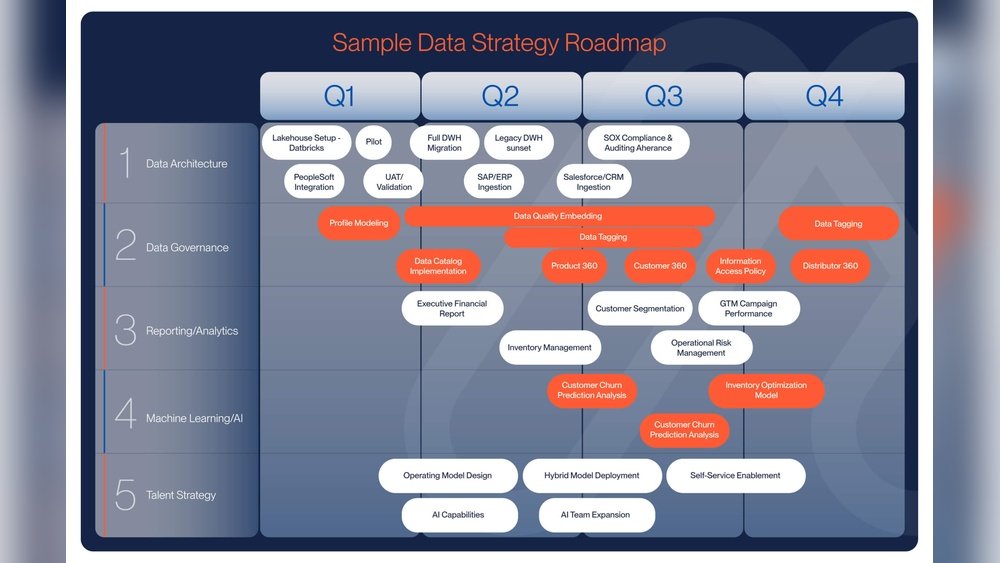
Are you struggling to turn raw customer feedback into a clear, actionable product roadmap? Imagine building your entire roadmap in just minutes—focused on what your customers truly want and need.
With ProductLift, you can unlock deep customer insights effortlessly and shape your product’s future with confidence. This isn’t just guesswork; it’s a smart way to prioritize features, set milestones, and align your team around what matters most. Ready to see how customer feedback can power your roadmap without the usual hassle?
Keep reading to discover how ProductLift makes it simple, fast, and effective.
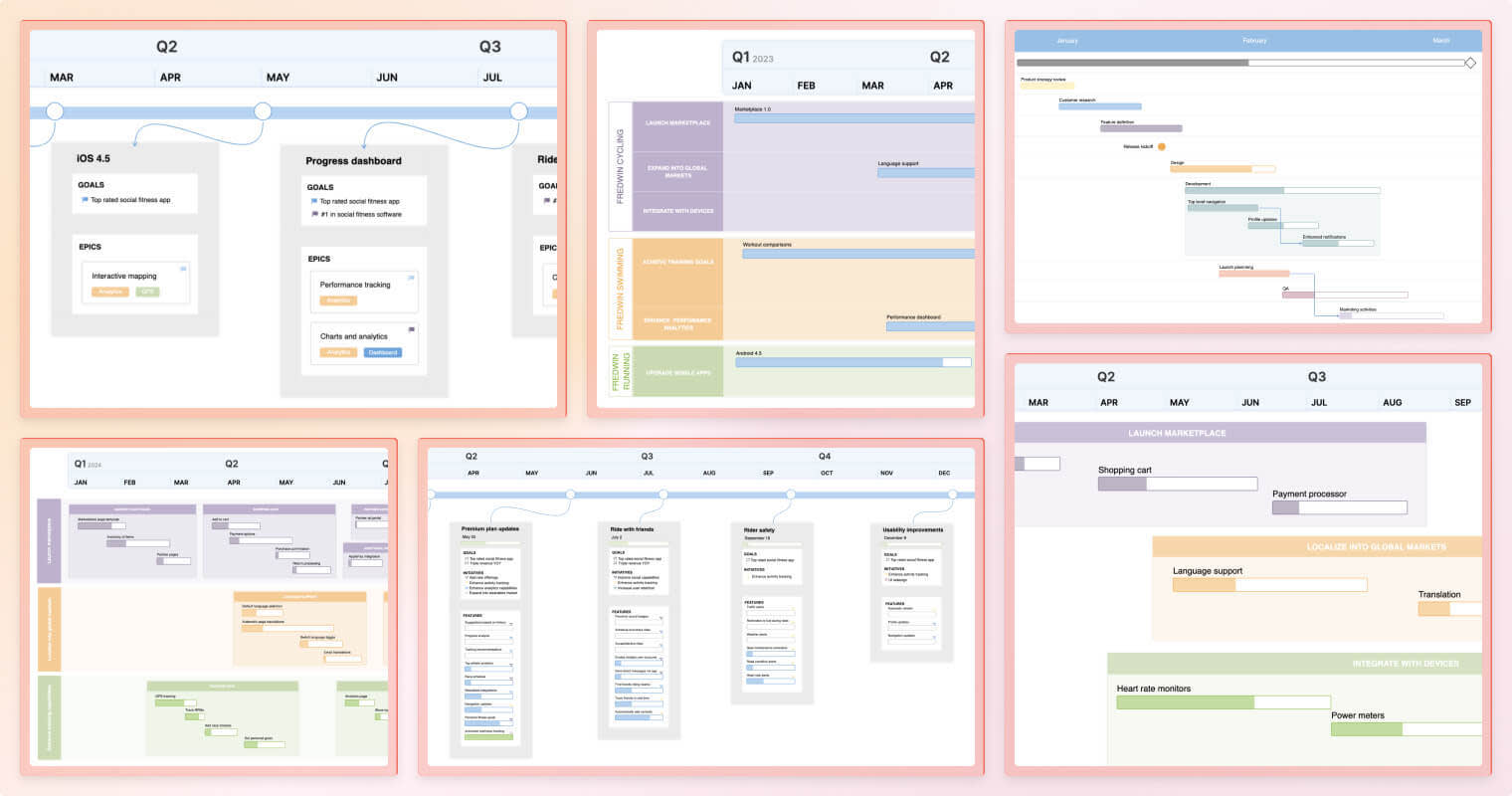
Credit: www.aha.io
Introduction To Building Roadmaps With Customer Insights
Building a clear roadmap is essential for product success. Customer insights play a key role in shaping this plan. They provide real data about user needs and preferences. Using these insights, teams can prioritize features and set realistic goals.
This approach reduces guesswork and aligns product development with what customers want. It helps teams stay focused and efficient. The right roadmap guides everyone from developers to marketers toward a shared vision.
Understanding The Role Of Customer Insights In Roadmapping
Customer insights are the foundation of a strong roadmap. They reveal:
- What customers value most
- Common pain points and challenges
- Behavior patterns and usage trends
- Feedback on existing features
Gathering this data helps prioritize initiatives with the highest impact. Roadmaps built on insights avoid wasting time on unwanted features. They also boost customer satisfaction by delivering what users expect.
For example, ProductLift collects and organizes customer feedback. This makes it easier to spot trends and needs. Teams can quickly translate insights into actionable steps on their roadmap.
Why Fast And Effective Roadmap Creation Matters
Speed matters in today’s fast-moving markets. Teams must adapt quickly to customer feedback and market changes. A fast roadmap creation process allows:
- Rapid decision-making
- Clear communication across teams
- Timely delivery of new features
- Better alignment with business goals
Effective roadmap creation helps avoid delays and confusion. It keeps everyone on the same page. Using tools like ProductLift saves time by consolidating feedback and insights in one place.
In short, fast and effective roadmaps improve product relevance and speed to market. They empower teams to focus on what truly matters for customers.
Key Features Of Customer Insight-driven Roadmaps
Customer insight-driven roadmaps focus on real customer needs and feedback. These roadmaps guide product development with clear, data-backed priorities. They help teams quickly adjust plans based on customer behavior and market trends.
Using such roadmaps leads to better alignment between product goals and user expectations. The key features below explain how to build and maintain these roadmaps effectively.
Real-time Customer Data Integration For Dynamic Planning
Integrating real-time customer data ensures roadmaps stay current and relevant. This data comes from surveys, usage patterns, and direct feedback channels.
- Captures live customer preferences and pain points
- Allows swift adaptation to changing demands
- Supports informed decision-making with fresh insights
Dynamic planning prevents outdated assumptions and boosts roadmap accuracy.
Prioritizing Initiatives Based On Customer Feedback
Customer feedback helps rank initiatives by importance. This approach focuses resources on features customers want most.
- Collect feedback via multiple touchpoints
- Analyze feedback to identify common themes
- Assign priorities based on impact and demand
Prioritization reduces wasted effort and enhances customer satisfaction.
Aligning Roadmaps With User Personas And Market Needs
Roadmaps must match the needs of specific user personas and market segments.
| User Persona | Key Needs | Roadmap Alignment |
|---|---|---|
| New Users | Easy onboarding, clear instructions | Focus on tutorials, UI simplification |
| Power Users | Advanced features, customization | Develop flexible, feature-rich options |
| Enterprise Clients | Security, scalability, support | Prioritize compliance and integration |
Meeting persona needs improves product relevance and market fit.
Using Ai To Analyze And Leverage Customer Insights
Artificial intelligence helps process vast amounts of customer data quickly.
- Detects patterns and trends invisible to humans
- Segments customers based on behavior and preferences
- Generates actionable recommendations for roadmap updates
AI boosts insight accuracy and speeds up planning cycles.
Collaborative Tools To Share And Refine Roadmaps With Stakeholders
Collaboration tools enable teams and stakeholders to view and improve roadmaps together.
- Real-time editing and commenting
- Centralized feedback collection
- Version control and progress tracking
These features ensure all voices contribute and keep the roadmap aligned with business goals.
Pricing And Affordability Of Roadmapping Tools
Choosing the right roadmapping tool depends on pricing and how it fits your budget. Affordable tools let teams build clear, customer-focused roadmaps quickly. Understanding costs helps teams pick software that matches their size and needs.
Overview Of Popular Roadmapping Software And Their Cost Structures
Several roadmapping tools offer varied pricing plans. Here is a comparison of popular options:
| Tool | Pricing Model | Starting Cost | Key Features |
|---|---|---|---|
| Jira Product Discovery | Per user, monthly | $7 per user | Roadmap prioritization, project tracking |
| ProductLift | Subscription, monthly | $39 per month | Feedback management, customer insights |
| Aha! | Per user, monthly | $59 per user | Strategic planning, idea management |
| ProductPlan | Subscription, monthly | $39 per editor | Customer-facing roadmaps, collaboration |
Pricing varies based on users and features. Some offer free trials for testing.
Balancing Features And Budget For Small To Large Teams
Small teams often need simple tools with core features. They benefit from low-cost plans with easy setup.
Large teams require robust tools. They need features like collaboration, integrations, and advanced analytics.
- Small teams: prioritize affordability and ease of use.
- Medium teams: look for scalable plans with essential features.
- Large teams: invest in comprehensive tools for cross-team alignment.
Choosing a tool that fits team size avoids overspending on unused features.
Cost-benefit Analysis: Investing In Customer-centric Roadmapping
Investing in a customer-centric roadmap tool can improve product success.
- Better customer insights: Understand user needs clearly.
- Faster decision-making: Prioritize features quickly.
- Improved collaboration: Keep teams aligned and informed.
The cost of tools like ProductLift is often outweighed by gains in product focus and customer satisfaction.
Spending on good roadmapping software helps build products customers want. It reduces wasted effort and speeds delivery.
Pros And Cons Of Using Customer Insights For Roadmap Building
Customer insights offer valuable guidance for creating product roadmaps quickly. They help teams focus on user needs and preferences. Yet, relying solely on these insights has both benefits and challenges. Understanding these pros and cons ensures better roadmap decisions.
Advantages: Enhanced Product Relevance And Faster Decision-making
Using customer insights improves product relevance. Insights reveal what features users want most. This allows teams to prioritize high-impact initiatives.
- Better alignment with actual user needs
- Reduced guesswork in feature selection
- Faster decisions by relying on real data
- Improved customer satisfaction by delivering value
With tools like ProductLift, teams collect feedback easily and update roadmaps in minutes. This speeds up the entire planning process.
Challenges: Data Overload And Integration Complexities
Customer insights can cause data overload. Large volumes of feedback may confuse teams. Sorting through conflicting opinions takes time.
| Challenge | Impact |
|---|---|
| Too much feedback | Decision delays and prioritization issues |
| Conflicting customer views | Difficulty in balancing feature requests |
| Integration with existing tools | Technical hurdles in syncing data |
Integrating customer data with project tools like Jira or Confluence may require extra effort. Teams must ensure data flows smoothly across platforms.
Addressing Common Pitfalls In Customer Insight Utilization
To avoid problems, follow these best practices:
- Filter feedback to focus on key trends.
- Combine insights with business goals and technical feasibility.
- Use clear criteria for prioritization.
- Regularly update the roadmap as new data arrives.
- Train teams to interpret insights correctly.
Balancing customer input with strategy avoids roadmap drift. This creates a focused and actionable plan.
Ideal Users And Scenarios For Customer Insight-based Roadmaps
Customer insight-based roadmaps bring clarity and focus to product planning. They help teams align their work with real user needs and market demands. Understanding the ideal users and the best scenarios for these roadmaps ensures faster, smarter decisions. These roadmaps suit various roles and situations, especially in fast-changing markets.
Best Fit: Product Managers And Customer Success Teams
Product managers rely on customer insights to prioritize features that matter most. These insights help them build roadmaps that reflect user feedback and market trends.
Customer success teams use these roadmaps to anticipate user needs and reduce churn. They ensure customers feel heard and supported throughout their journey.
- Product managers focus on feature prioritization and strategy.
- Customer success teams focus on user engagement and satisfaction.
- Both teams benefit from real-time feedback integration.
Scenarios: Rapid Product Development And Market-driven Adjustments
Roadmaps based on customer insights work best in dynamic environments. They support rapid product development where quick decisions are vital.
They also fit well in market-driven adjustments, allowing teams to shift focus based on evolving customer needs or competitor moves.
| Scenario | Benefit | Key Outcome |
|---|---|---|
| Rapid Product Development | Speeds up decision-making with real user data | Faster releases aligned with customer priorities |
| Market-Driven Adjustments | Adapts roadmap based on market feedback | Improved product-market fit and competitiveness |
How Startups And Enterprises Can Leverage These Strategies Differently
Startups use customer insights to validate ideas and avoid costly missteps. They focus on quick learning and pivoting fast.
Enterprises apply these strategies to align large teams and complex projects. They emphasize scaling and sustaining customer satisfaction.
- Startups: Lean roadmaps, rapid feedback loops, focus on MVP.
- Enterprises: Detailed roadmaps, cross-team collaboration, long-term vision.
- Both benefit from tools like ProductLift for feedback management.
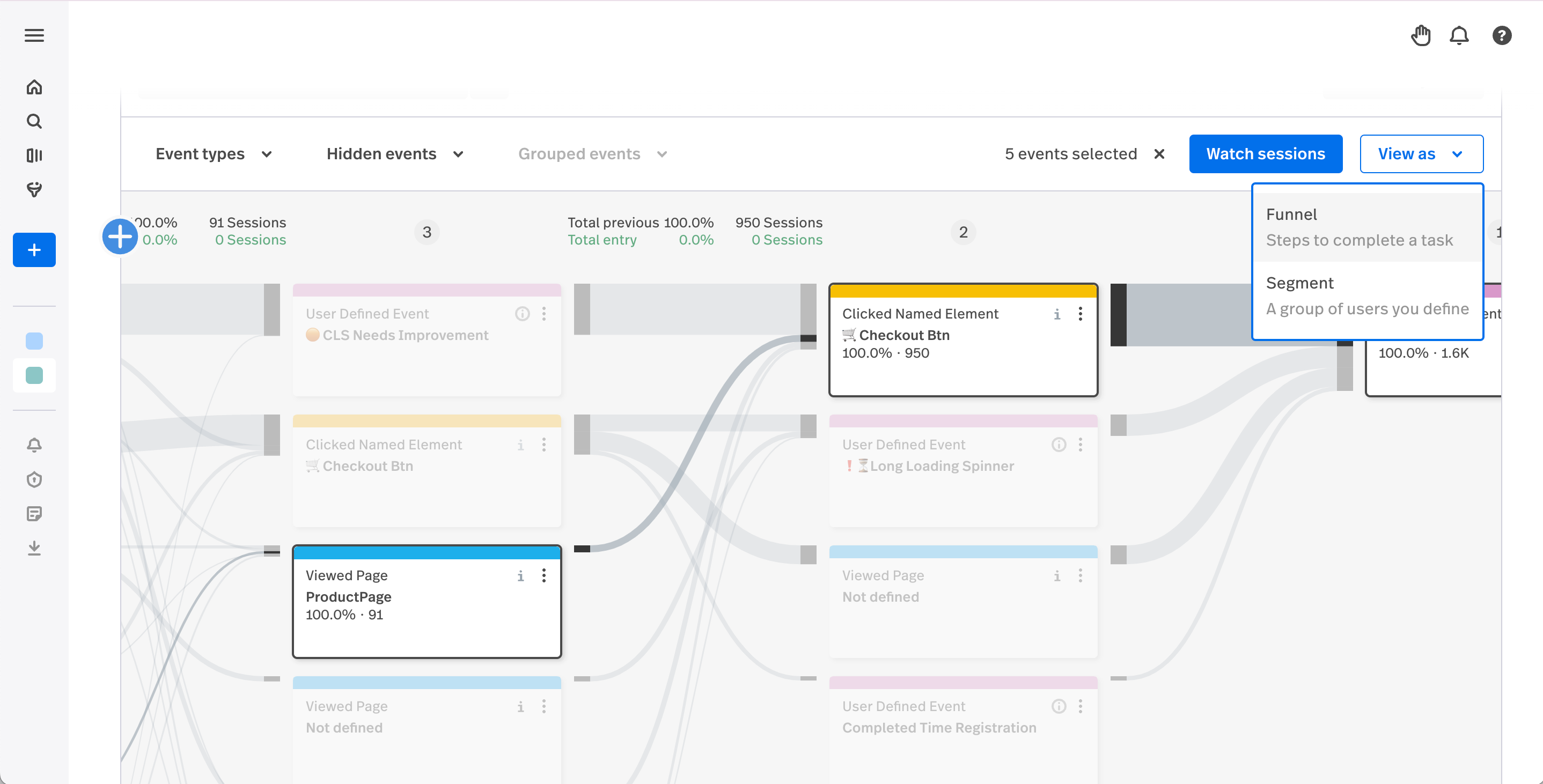
Credit: www.fullstory.com
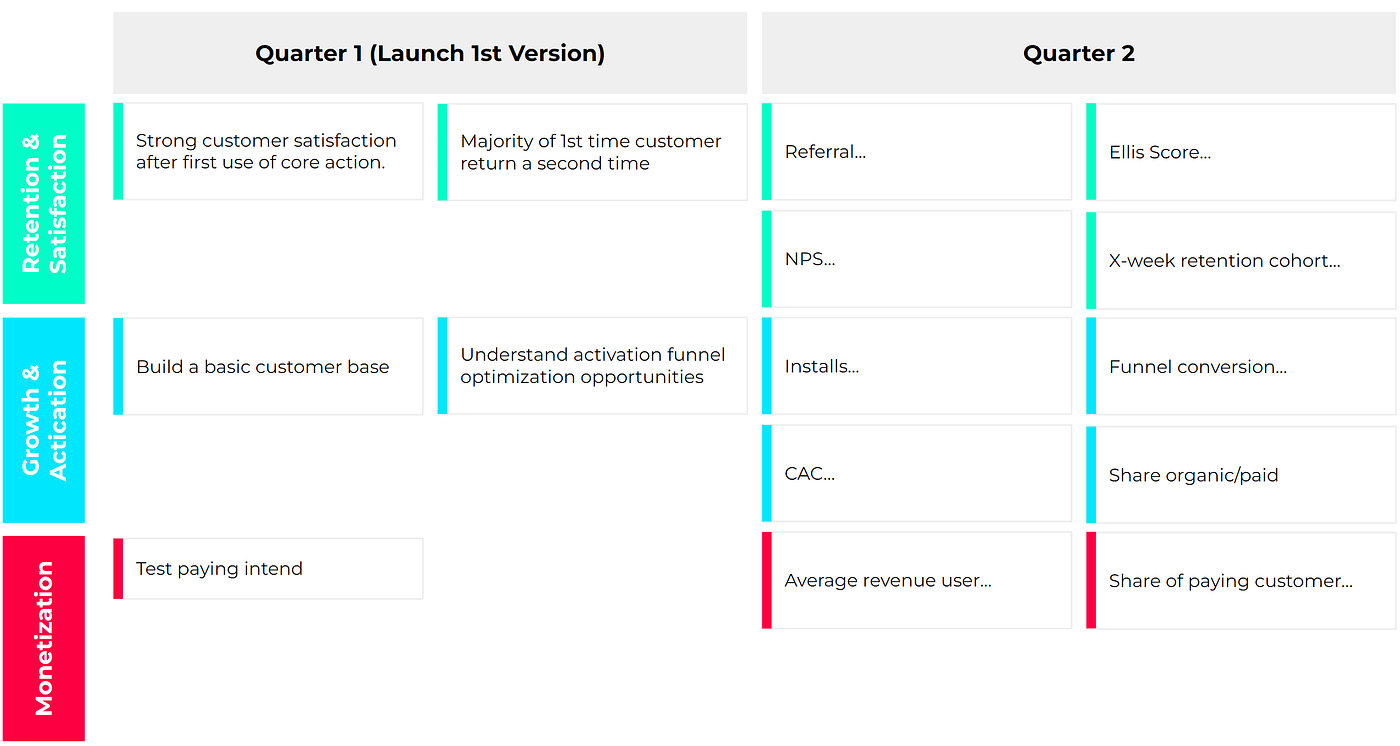
Credit: medium.com
Frequently Asked Questions
How To Build An Effective Roadmap?
Build an effective roadmap by defining clear goals, prioritizing high-value initiatives, setting milestones, assigning teams, and sharing for collaboration.
What Is A Customer Roadmap?
A customer roadmap outlines a product’s planned features and releases to engage potential buyers. It guides user-focused development and marketing.
What Is The Best Tool To Create A Roadmap?
Jira offers the best roadmap tools for project tracking, prioritization, and strategic planning. Aha! Also excels in aligning strategy and managing product development. Choose based on your team’s needs for collaboration, planning, and task management.
What Is The Aha Tool For Roadmap?
Aha! Is a roadmap and project planning tool that helps teams define strategy and manage product development effectively. It aligns organizational goals with product efforts.
Conclusion
Customer insights help you build clear roadmaps fast and with focus. Use real feedback to pick the highest-value ideas. Set clear goals, deadlines, and share your plan with teams. ProductLift makes collecting and managing feedback simple and quick. This way, your roadmap stays relevant and user-centered.
Start small, adjust often, and keep listening to your customers. Roadmaps built this way guide your product toward real success.