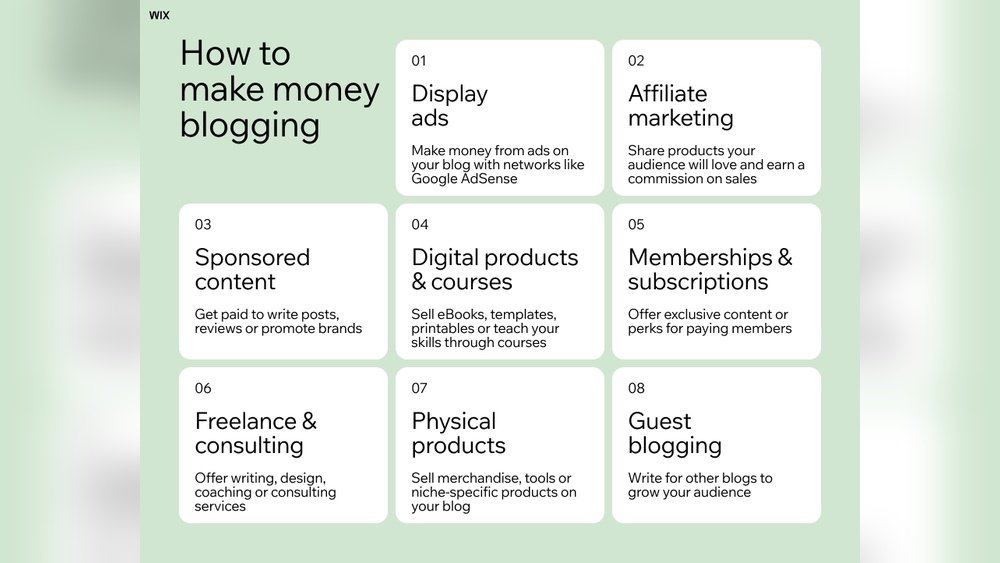
Do you have valuable knowledge that others would pay to learn? Imagine turning what you know into a steady source of income—without complicated tech or huge upfront costs.
Whether you’re an expert in cooking, fitness, marketing, or any other skill, sharing your knowledge can be both rewarding and profitable. The key is knowing how to package your expertise and reach the right audience. That’s where Tagmango comes in.
This powerful video hosting platform makes it simple for you to create, share, and sell your content all in one place. Ready to discover how you can make money by sharing what you know? Keep reading, and you’ll learn the exact steps to start earning while doing what you love.
Introduction To Sharing Knowledge For Profit
Sharing what you know can create new income opportunities. Many people hold valuable skills or knowledge that others want to learn. Turning this expertise into a source of profit is easier than ever. The internet offers many ways to package and sell knowledge. This section explores how to start sharing your expertise while making money.
Understanding The Value Of Your Expertise
Your knowledge has real worth. It solves problems, teaches skills, or offers insights that others need. Focus on what you know well and how it helps people. Your unique experience or skill set can attract an audience eager to learn.
Consider these points:
- What topics are you confident in?
- Who can benefit from your knowledge?
- What results can learners expect?
Answering these questions helps you define your value clearly. People pay for clear benefits and practical solutions. Your expertise becomes valuable when it meets a real need.
Why Monetizing Knowledge Is A Viable Income Stream
Turning knowledge into income is a smart and flexible way to earn money. Digital platforms make sharing easy and affordable. You can create online courses, e-books, coaching sessions, or newsletters.
Benefits include:
| Advantages | Description |
|---|---|
| Low Startup Cost | Create content with minimal investment using tools like tagmango. |
| Scalability | Sell to many people globally without extra effort per sale. |
| Flexibility | Work anytime and anywhere, fitting income around your schedule. |
| Authority Building | Establish yourself as an expert in your field. |
Platforms like tagmango help host videos and create courses easily. This simplifies sharing knowledge online and reaching your audience.
Monetizing knowledge creates a steady income stream that can grow over time. It also helps you connect with learners who value your expertise.

Credit: www.youtube.com
Identifying Your Expertise And Target Audience
To share your knowledge and earn profit, start by clearly identifying your expertise. Knowing exactly what you know best helps you create content that feels authentic and valuable. Equally important is understanding who needs your knowledge. Defining your target audience ensures your message reaches the right people, making your efforts more effective and rewarding.
Pinpointing Your Specific Knowledge Niche
Focus on a narrow area where your skills and experience are strongest. A specific niche helps you become an expert in that field. It also reduces competition and attracts a loyal audience.
- List your skills, experiences, and passions.
- Check which topics you can teach clearly and confidently.
- Choose the niche that combines your knowledge and what you enjoy.
Example: Instead of “marketing,” choose “social media marketing for small businesses.”
Analyzing Market Needs And Audience Pain Points
Understand what your audience struggles with and what they want to learn. Research helps you find real problems to solve.
- Read forums, social media groups, and reviews related to your niche.
- Identify common questions and challenges.
- Note gaps where current solutions are weak or missing.
Knowing these points guides your content creation and boosts demand for your product.
Crafting A Unique Selling Proposition (usp) To Stand Out
Create a clear message explaining why your knowledge is different and better. Your USP makes people choose you over others.
- Highlight what makes your teaching style unique.
- Show how your experience solves audience problems effectively.
- Use simple language to explain your promise or benefit clearly.
Example USP: “Easy-to-follow video courses that help busy entrepreneurs grow on social media fast.”
Choosing The Right Format To Package Your Knowledge
Packaging your knowledge effectively means selecting a format that fits your expertise and audience. The right format helps you deliver clear, valuable content and attract paying customers. Each format offers unique ways to share your insights and earn income. Understanding these formats guides your decision and boosts your success.
Online Courses And Workshops: Structured Learning Experiences
Online courses and workshops offer step-by-step learning. They suit people who want clear guidance and a set path. Structured lessons help learners progress confidently.
- Use video, slides, and quizzes for engagement.
- Set a clear schedule or allow self-paced learning.
- Platforms like tagmango provide easy video hosting and course setup.
This format works well for deep knowledge that benefits from detailed explanation.
Digital Products: E-books, Templates, And Playbooks
Digital products are simple to create and distribute. Examples include e-books, templates, and playbooks. These give customers instant access to useful resources.
- E-books share detailed information in a readable format.
- Templates save time with ready-made designs or plans.
- Playbooks provide step-by-step guides for specific tasks.
This format fits well if your knowledge can be organized into clear documents.
Coaching And Consulting: Personalized Guidance
Coaching and consulting offer one-on-one or small group support. You tailor advice to individual needs, adding high value.
- Build strong relationships with clients.
- Help solve unique problems directly.
- Charge premium rates for personal attention.
This format suits experts who enjoy direct teaching and problem-solving.
Newsletters And Paid Communities: Building Loyalty And Exclusivity
Newsletters and paid communities create ongoing connections. They keep your audience engaged and create steady income.
- Send regular updates, tips, or exclusive content.
- Encourage interaction through discussion groups.
- Offer membership perks to retain subscribers.
This format works well for building trust and long-term relationships.
Content Creation: Free Value To Build Authority
Content creation means sharing free knowledge through blogs, videos, or social media. This builds your reputation and draws an audience.
- Offer helpful tips and insights regularly.
- Use platforms like YouTube or LinkedIn to reach many people.
- Convert followers into paying customers later.
Free content lays the foundation for profitable knowledge products.

Credit: www.amazon.com
Creating High-quality, Valuable Content
Creating high-quality, valuable content is key to sharing your knowledge and earning profit. Clear, useful content builds trust and attracts an audience. Focus on delivering real solutions and expert insights. This approach makes your content stand out and encourages people to invest in your offerings.
Developing A Strategic Content Plan Aligned With Audience Needs
Start by defining your target audience and what they want to learn. Research their problems, questions, and goals.
- List common challenges your audience faces.
- Choose content types that match their preferences, like videos, articles, or guides.
- Set clear goals for each content piece, such as teaching a skill or answering a question.
Plan a schedule to publish content consistently. This helps build trust and keeps your audience engaged.
Producing Content That Demonstrates Expertise And Solves Problems
Show your knowledge through accurate, detailed information. Use examples, case studies, or data to support your points.
Focus on solving specific problems. Clear solutions make your content valuable and actionable.
- Break complex ideas into simple steps.
- Use visuals like charts or screenshots to explain concepts.
- Answer common questions your audience has.
Transforming Knowledge Into Clear, Outcome-focused Formats
Choose formats that deliver clear results for your audience. Formats can include:
| Format | Benefit | Example |
|---|---|---|
| Online Courses | Step-by-step learning with videos and quizzes | Tagmango video hosting platform for courses |
| E-books | In-depth knowledge on specific topics | Guides or how-to manuals |
| Coaching | Personalized help and feedback | One-on-one sessions |
| Newsletters | Regular tips and updates | Email series with useful advice |
Use simple language and clear instructions. Focus on the outcomes your audience will get. This approach helps people see the value in your content and encourages them to buy or subscribe.
Building And Engaging Your Audience
Building and engaging an audience is the key to turning your knowledge into profit. It starts with connecting to the right people who value your expertise. Focus on creating trust and offering consistent value. This approach grows a loyal community eager to learn and buy from you.
Leveraging Social Media Platforms To Build Your Brand
Social media platforms are powerful tools to showcase your knowledge. Choose platforms where your audience spends time, such as LinkedIn, YouTube, or Instagram. Share useful tips, short videos, and quick answers to common questions.
- Post regularly to stay visible.
- Engage with comments to build relationships.
- Use live streams to interact in real time.
- Join groups related to your niche to connect deeply.
Each platform helps you build your personal brand and attracts followers who trust your expertise.
Consistency In Content Creation To Establish Trust
Consistency is essential for trust. Share valuable content often so your audience expects and looks forward to your posts. This builds authority and shows commitment.
Set a schedule for creating and sharing content:
- Create a content calendar to plan topics ahead.
- Mix formats like videos, blog posts, and emails.
- Respond quickly to audience feedback to show you care.
Regular content helps your audience learn and keeps them coming back. Trust grows when they see you as reliable and knowledgeable.
Offering Free Content As A Gateway To Paid Products
Free content acts as a first step to paid offers. It gives your audience a taste of your knowledge and builds interest.
Examples of free content include:
- Short tutorials or how-to guides
- Free webinars or live Q&A sessions
- Downloadable checklists or templates
This free content creates goodwill and shows value before asking for payment.
Use platforms like tagmango, a video hosting platform, to deliver quality videos easily. It helps keep free and paid content organized and professional.
| Benefits of Free Content | How It Leads to Sales |
|---|---|
| Builds trust and authority | Audience feels confident to buy |
| Engages and grows your community | Creates a warm audience for paid offers |
| Showcases your expertise | Demonstrates value clearly |
Use free content smartly to guide your audience toward paid courses, coaching, or memberships. This strategy builds steady income by nurturing your relationship with your audience.
Marketing Your Knowledge Products Effectively
Marketing knowledge products means sharing your expertise to reach buyers. It requires clear steps and smart tools.
Start by knowing who needs your knowledge and how they prefer to learn. Use this insight to promote your products well. Focus on targeted promotion, efficient marketing tools, and building direct connections through email lists.
Using Your Network And Email List For Targeted Promotion
Tap into your existing network to promote your knowledge products. Your friends, colleagues, and social media followers are the first to know.
- Personal messages make promotions feel genuine and build trust.
- Share sneak peeks or free tips to spark interest.
- Ask your network to share your products with others.
An email list allows direct contact with people who want your content. Segment your list to send tailored offers and updates. This improves engagement and sales.
Incorporating Platform Marketing Tools For Efficiency
Use platforms like tagmango to host and market video-based knowledge products. These platforms offer built-in marketing features.
| Feature | Benefit |
|---|---|
| Automated Emails | Send welcome messages and product updates without extra work |
| Social Sharing Buttons | Make it easy for customers to share your content |
| Analytics Dashboard | Track which products perform best and adjust marketing |
These tools help save time and improve your marketing reach.
Building And Nurturing An Email List For Direct Sales
An email list is your most valuable marketing asset. Grow it by offering free valuable content like guides or mini-courses.
- Place sign-up forms on your website and social media.
- Send consistent emails with tips, news, and product offers.
- Personalize messages to keep readers interested.
Keep your list engaged by:
- Asking for feedback
- Offering exclusive discounts
- Sharing success stories from customers
A strong email list brings steady sales and builds a loyal community.
Pricing And Affordability Strategies
Setting the right price for your knowledge product matters a lot. It affects how many people buy it and how much you earn. Good pricing balances what customers expect to pay and what your expertise is worth. Affordability helps reach more people, but undervaluing your work hurts your profit and reputation.
Determining Competitive Yet Profitable Pricing
Research similar products in your niche before pricing. Check what others charge for online courses, coaching, or e-books. Use this info to set a price that is competitive but still covers your costs and time.
- List your product’s unique features and benefits
- Calculate your costs: production, marketing, platform fees
- Decide your profit margin, usually 20-50%
- Test different prices with a small audience
Price too low, and customers may doubt your expertise. Price too high, and many will not buy.
Offering Tiered Pricing And Bundles To Maximize Reach
Tiered pricing offers multiple versions of your product at different price points. Bundles combine several products or services for one price. Both strategies help attract different customer groups.
| Pricing Model | Description | Benefits |
|---|---|---|
| Basic Tier | Limited access or features | Low price, wider audience |
| Premium Tier | Full access, extra support | Higher revenue per sale |
| Bundles | Multiple products combined | Increased value, higher sales |
Use platforms like tagmango to host and manage your tiers and bundles. It helps keep pricing clear and easy to buy.
Ensuring Affordability Without Undervaluing Your Expertise
Affordability means many can buy your product. Undervaluing means you get less than your work deserves. Balance is key.
- Know your audience’s budget limits
- Offer payment plans or subscriptions
- Give discounts only for special occasions
- Highlight the value and results your product delivers
Never lower price just to compete. Instead, focus on quality content and clear benefits. Customers will pay more for trusted expertise.
Pros And Cons Of Different Knowledge Monetization Methods
Sharing your knowledge can bring both satisfaction and income. Various methods exist to monetize what you know. Each method has unique advantages and challenges. Choosing the right way depends on your skills, audience, and goals. Understanding the pros and cons helps make better decisions.
Advantages And Challenges Of Online Courses And Workshops
Online courses and workshops allow you to teach many people at once. You can record lessons or host live sessions. These formats suit detailed topics and step-by-step teaching.
- Advantages: Scalable income, flexible schedule, and control over content.
- Challenges: Time-consuming to create, needs marketing, and requires technical setup.
Courses need updates to stay relevant. Workshops demand active engagement but build strong connections.
Strengths And Limitations Of Digital Products
Digital products like e-books, templates, and guides are easy to distribute. They work well for specific tips or resources.
| Strengths | Limitations |
|---|---|
| Low production cost | Hard to stand out in crowded market |
| Instant delivery worldwide | Limited interaction with buyers |
| Easy to update and reuse | One-time sale unless bundled or updated |
Digital products suit creators who prefer passive income and less direct contact.
Benefits And Drawbacks Of Coaching And Consulting
Coaching and consulting offer personalized help and advice. You can charge higher rates for one-on-one or small group sessions.
- Benefits: Strong client relationships, flexible pricing, and immediate feedback.
- Drawbacks: Limited scalability, time-intensive, and requires strong communication skills.
Clients expect tailored support. This method fits experts who enjoy direct teaching and problem-solving.
Evaluating Newsletters And Paid Communities
Paid newsletters and communities create ongoing value through regular content and interaction. Members pay for exclusive access and support.
| Benefits | Drawbacks |
|---|---|
| Consistent income stream | Requires constant content creation |
| Builds loyal, engaged audience | Can be hard to attract first members |
| Opportunities for upselling and networking | Needs community management skills |
This approach suits creators who enjoy building relationships and delivering frequent value.
Recommendations For Ideal Users And Scenarios
Choosing the right way to share your knowledge depends on your skills, audience, and goals. Different formats fit different creators and learners. Clear strategies help you connect better and earn more. Understanding who benefits most from online courses or coaching guides your path. Building a community adds value and loyalty. Tailoring your approach to your audience and topic ensures success.
Who Should Choose Online Courses Vs. Coaching
Online courses suit creators who:
- Have structured knowledge to share step-by-step
- Want to reach many people at once
- Prefer creating content once and selling repeatedly
- Focus on self-paced learning for students
Coaching
- Enjoy personal interaction and mentoring
- Want to solve individual problems directly
- Work with smaller groups or one-on-one
- Need flexibility to adapt lessons live
Both formats can use video hosting platforms like tagmango for delivering content smoothly.
Best Practices For Creators Focused On Community Building
- Engage regularly: Post updates, answer questions, and encourage participation.
- Create value: Share free tips, live sessions, or exclusive content.
- Use multiple channels: Combine social media, newsletters, and forums.
- Foster trust: Be transparent and consistent with your audience.
- Encourage feedback: Let members suggest topics or improvements.
Platforms like tagmango support video hosting and community features, helping creators grow loyal followers.
Tailoring Strategies Based On Audience And Subject Matter
| Audience Type | Subject Matter | Recommended Approach |
|---|---|---|
| Beginners | Technical Skills | Step-by-step online courses with clear examples |
| Professionals | Advanced Topics | Live coaching sessions with Q&A for deep insights |
| Hobbyists | Creative Arts | Community groups plus short video tutorials |
| Entrepreneurs | Business & Marketing | Mixed format: courses for basics, coaching for strategy |
Adjust your teaching style to fit your learners’ needs and interests. Use clear, simple language. Break down complex ideas into smaller parts. Platforms like tagmango make it easy to deliver tailored video content effectively.
“Conclusion: Establishing Sustainable Income Through Knowledge Sharing
Sharing your knowledge can build a steady income stream. It starts with clear expertise and the right audience. Packaging your knowledge into formats like online courses, e-books, or coaching helps deliver value. Consistent content creation and promotion boost your credibility. Platforms such as LinkedIn, YouTube, and paid communities widen your reach. This approach creates ongoing profit while helping others learn and grow.
Key Takeaways For Turning Expertise Into Profit
- Identify your expertise: Focus on specific skills or knowledge you excel in.
- Know your audience: Understand who needs your knowledge and what problems they face.
- Choose the right format: Use online courses, e-books, newsletters, or coaching to share knowledge effectively.
- Create valuable content: Produce clear, helpful, and engaging material consistently.
- Build authority: Promote your content on social media and through email marketing.
- Use trusted platforms: Leverage sites like LinkedIn, YouTube, and paid groups to reach more customers.
- Engage your community: Stay connected and responsive to your audience’s needs.
Long-term Strategies For Growth And Authority
Growth and authority come from dedication and smart planning. Follow these steps to build lasting success:
- Consistent content updates: Regularly add fresh material to keep your audience engaged.
- Expand your offerings: Introduce new courses, coaching packages, or products over time.
- Gather feedback: Use audience input to improve your content and services.
- Network with experts: Collaborate and learn from others in your niche.
- Invest in marketing: Use paid ads and SEO to reach new learners.
- Leverage analytics: Track what works and refine your strategy accordingly.
- Build trust: Show real results and testimonials to attract loyal customers.
Tools like tagmango offer easy video hosting solutions. They help create and sell courses smoothly. Using such platforms saves time and improves user experience. This supports your mission to share knowledge and earn income consistently.
:max_bytes(150000):strip_icc()/GettyImages-2199632761-839b99fe4dd54cae8e45dbda8aa01e0a.jpg)
Credit: www.investopedia.com
Frequently Asked Questions
How To Turn Your Knowledge Into Income?
Identify your expertise and target audience. Create valuable content via courses, e-books, or coaching. Promote consistently on social media. Build authority and market your knowledge product to generate income.
How To Get Paid For Your Knowledge?
Identify your expertise and target audience. Create valuable content like courses, e-books, or coaching. Promote consistently on social media and email. Use platforms like LinkedIn and YouTube to market your knowledge. Build authority and engage your audience to generate income.
How To Turn Your Knowledge Into A Business?
Identify your expertise and target audience. Create valuable content like courses, e-books, or coaching. Promote consistently on social media and email. Build authority and market your knowledge using platforms like LinkedIn and YouTube. Establish sustainable income by solving audience problems with unique offerings.
How To Convert Skills Into Money?
Identify your expertise and target audience. Create valuable products like courses, e-books, or coaching. Promote consistently on social media. Build an email list and engage your community. Use platforms like LinkedIn and YouTube to market and earn income from your skills.
Conclusion
Sharing your knowledge can bring both satisfaction and income. Focus on what you know best and who needs it most. Use simple tools like Tagmango to host and share your videos easily. Create clear, helpful content that solves problems for your audience.
Build trust by engaging with your community regularly. Keep learning and adapting to improve your offerings. Start small, stay consistent, and watch your efforts grow. Your knowledge has value—turn it into a steady profit with patience and care.