How to write a book fast is by starting with a clear idea, creating a simple chapter outline, and committing to a daily writing schedule. When you focus on consistent progress instead of perfection, you can finish your book faster without feeling overwhelmed.
What if there was a way to cut through the noise, focus your energy, and finish your book in record time? Whether you’re aiming to share your ideas, tell your story, or launch your author career, learning how to write a book fast can change everything.
You’ll discover simple, effective strategies to speed up your writing process without sacrificing quality. Plus, we’ll introduce you to YouBooks, a powerful tool designed to help you organize, draft, and complete your book faster than you ever thought possible. Ready to turn your book dream into reality? Let’s dive in.
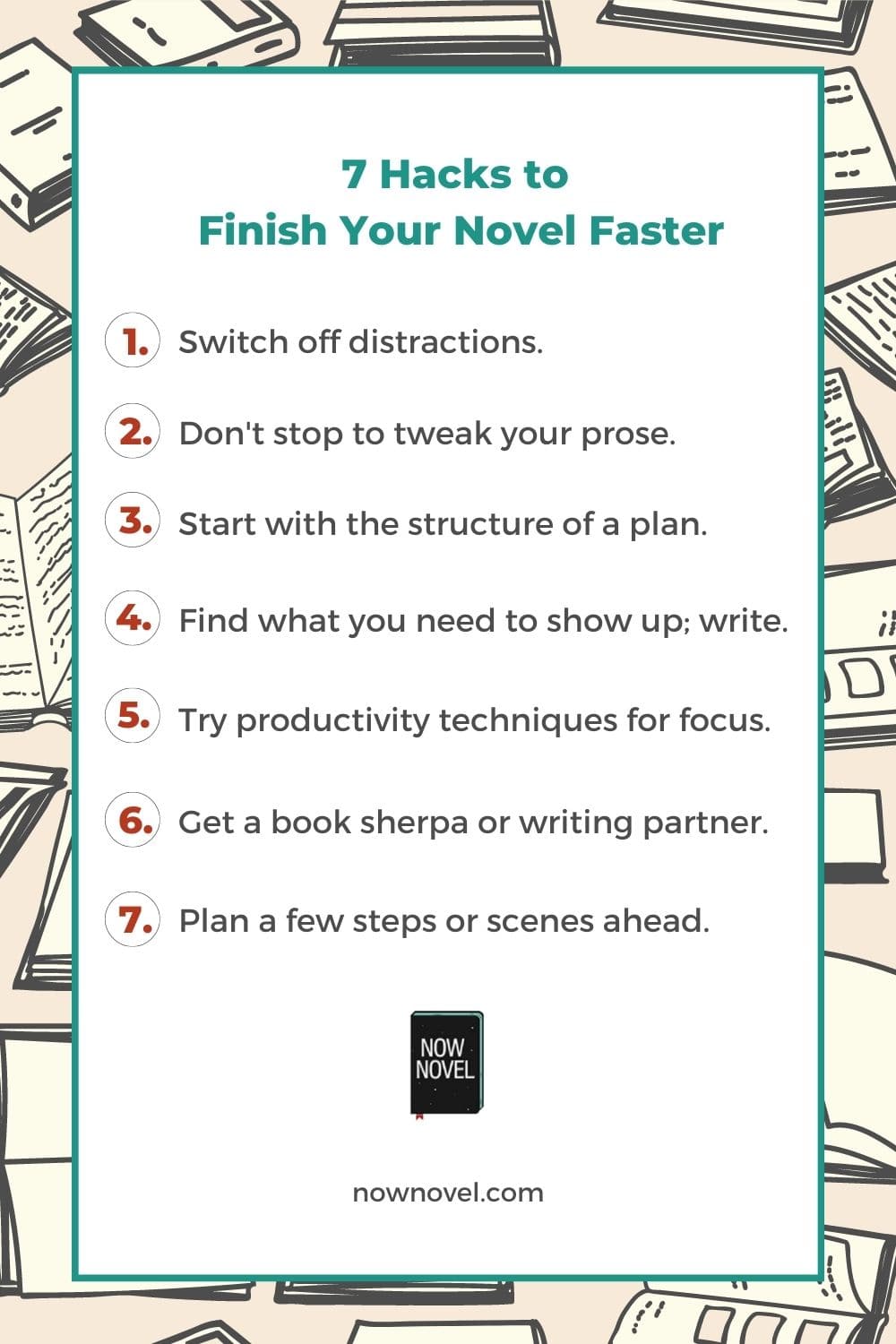
Credit: nownovel.com
Introduction To Writing A Book Fast
Writing a book quickly can help authors share their ideas quickly and reach readers sooner. Speed in writing does not mean rushing blindly. It means working smartly and staying focused. The right approach balances quick progress with clear, quality content.
This section explains why speed matters, common issues that slow writers, and how to keep quality high while writing fast.
Why Speed Matters In Book Writing
Speed in book writing helps capture ideas fresh and strong. Fast writing keeps motivation high and reduces the chances of losing focus. Completing a book sooner means quicker feedback and faster entry into the market.
For many, fast writing supports goals like:
- Publishing before trends fade
- Testing ideas quickly with readers
- Maintaining creative energy and flow
- Building a writing habit and discipline
Common Challenges Slowing Down Writers
Many writers face obstacles that slow their progress:
- Perfectionism: Trying to make every sentence perfect on the first try.
- Distractions: Social media, emails, and interruptions reduce focus.
- Lack of planning: Writing without an outline or clear direction wastes time.
- Fear of failure: Doubts about the book’s success cause delays.
Recognizing these challenges helps writers avoid them and keep momentum.
The Goal: Balancing Speed With Quality
Writing fast is good, but quality must stay strong. A rushed book with poor writing will not help readers or build a good reputation.
Steps to balance speed and quality:
- Create a simple outline before writing.
- Write the first draft quickly without editing.
- Set daily word count goals to stay on track.
- Edit later in focused sessions for polish.
This method keeps the writing flow smooth and ensures the final book is clear and well-written.
Key Strategies To Accelerate Your Writing Process
Writing a book fast requires more than just speed. It demands a smart approach that keeps you focused and productive. Applying specific strategies helps you write efficiently without losing quality. The following techniques will guide you to accelerate your writing process and reach your goal quicker.
Setting Clear Daily Word Count Goals
Start by deciding how many words to write each day. A clear daily target builds discipline and keeps your momentum steady. Choose a number that feels challenging yet doable.
- Set a realistic word count (e.g., 500 to 1,000 words).
- Track your progress daily to stay motivated.
- Adjust goals based on your writing speed and schedule.
Consistent daily writing adds up fast, helping you finish your book sooner.
Creating A Detailed Outline Before You Start
Plan your book’s structure before writing. A detailed outline guides your thoughts and prevents writer’s block.
- Break your book into chapters or sections.
- List key points for each chapter.
- Use bullet points for ideas and subtopics.
This roadmap saves time by keeping your writing focused and organized.
Using Writing Sprints To Boost Focus And Productivity
Writing sprints are short, timed bursts of focused writing. They increase output and reduce distractions.
| Duration | Goal | Break Time |
|---|---|---|
| 25 minutes | Write as much as possible | 5 minutes |
| 50 minutes | Deep focus on a chapter | 10 minutes |
Repeat cycles to maintain energy and keep your mind sharp.
Minimizing Distractions In Your Writing Environment
Distractions slow down writing and break your flow. Create a quiet, comfortable space just for writing.
- Turn off phone notifications and social media.
- Use noise-canceling headphones or soft background music.
- Inform family or roommates about your writing time.
Clear your desk of clutter to help focus better.
Leveraging Technology And Tools To Enhance Speed
Use apps and tools designed to speed up writing. They help organize ideas, check grammar, and keep you focused.
- YouBooks – a tool that streamlines book writing by organizing content and tracking progress.
- Grammar checkers like Grammarly to reduce editing time.
- Distraction blockers such as Freedom or Cold Turkey.
- Voice-to-text software to write faster using speech.
Combine these tools to create a smooth and efficient writing process.
Unique Features Of Fast Writing Techniques And Their Benefits
Fast writing techniques help authors create books quickly without losing quality. These methods focus on boosting creativity, maintaining focus, and reducing delays. Using specific strategies saves time and keeps writing energy high. Writers can finish drafts faster and avoid common pitfalls like writer’s block and distractions.
How Outlining Solves Writer’s Block And Keeps Momentum
Outlining is a powerful tool to prevent writer’s block. It gives a clear path for your story or content. Writers know what to write next, which stops pauses and hesitation.
- Creates a roadmap for each chapter or section
- Breaks down big tasks into smaller steps
- Helps organize ideas logically
- Boosts confidence by showing progress
Outlining keeps momentum strong by removing uncertainty. You write smoothly because you follow a plan.
Benefits Of Writing Sprints For Maintaining Energy And Focus
Writing sprints are short, timed bursts of focused writing. They help maintain energy and sharpen focus. Sprint sessions prevent burnout and keep ideas flowing fast.
| Benefit | Description |
|---|---|
| Increased productivity | Pushes you to write more words in less time |
| Improved concentration | Reduces distractions by focusing on short goals |
| Less perfectionism | Encourages quick writing over editing during sprints |
| Boosted motivation | Seeing progress in sprints keeps motivation high |
Impact Of A Distraction-free Environment On Writing Flow
A distraction-free environment improves writing flow and speed. Removing interruptions lets your thoughts move freely. Writers stay focused and avoid losing train of thought.
- Silences phones and notifications
- Uses quiet rooms or noise-cancelling headphones
- Keeps workspace clean and organized
- Limits internet use to writing tasks
This calm setting helps ideas come faster, and writing feels easier. Distractions break flow, so removing them saves time and energy.
Using Dictation And Writing Software To Save Time
Dictation tools and writing software speed up the writing process. Speaking ideas aloud is often faster than typing. Software helps with editing, organizing, and formatting.
- Dictation captures thoughts hands-free and fast
- Writing apps offer templates and outlines
- Grammar and spell checks reduce editing time
- Cloud syncing allows writing anywhere
Combining dictation and software tools cuts down the time spent on each stage of writing. This supports a steady pace and quick book completion.

Credit: www.helpingwritersbecomeauthors.com
Pricing And Affordability Of Writing Aids And Tools
Choosing the right writing aids affects both your budget and productivity. Affordable tools help you write faster without high costs. Understanding the price range of popular software and tools guides smart spending. Some tools offer free versions with limited features, while others require payment for full access. Knowing what to pay for and what to skip saves money and time.
Overview Of Popular Writing Software And Their Costs
| Software | Type | Cost | Key Features |
|---|---|---|---|
| Scrivener | Paid | $49 (one-time) | Organizing, outlining, and research storage |
| Microsoft Word | Paid | From $6.99/month | Text editing, formatting, collaboration |
| Google Docs | Free | Free | Cloud storage, collaboration, basic editing |
| YouBooks | Paid | Affordable subscription (Check current pricing) | Book-specific templates, writing prompts, and progress tracking |
| Grammarly | Free/Paid | Free basic; Premium $12/month approx. | Grammar checks, style suggestions, plagiarism detection |
Free Vs. Paid Tools: What’s Worth Investing In?
Free tools suit beginner writers or those on tight budgets. They cover basic writing and editing needs. Paid tools offer advanced features that save time and improve quality. Consider investing in paid tools if:
- You want better organization and research management.
- Advanced editing and grammar checking matter.
- You need specialized book writing templates.
Free tools like Google Docs are excellent for collaboration and simple drafts. Grammarly’s free version helps catch common errors. Paid tools like Scrivener or YouBooks speed up complex tasks. Balance your needs and budget before choosing.
Budget-friendly Resources To Speed Up Your Writing
Many affordable options exist to boost writing speed without breaking the bank. Consider these:
- YouBooks: Affordable and designed for book writers. Includes templates and progress tracking.
- Google Docs: Free, easy collaboration, accessible anywhere.
- Grammarly Free: Basic grammar and spelling checks at no cost.
- FocusWriter: Free distraction-free writing environment.
- Reedsy Book Editor: Free online book formatting and editing tool.
These tools reduce distractions and help organize ideas quickly. Use free trials of paid tools to test before buying. Small investments can lead to faster, smoother writing.
Pros And Cons Of Fast Book Writing Based On Real-world Experience
Writing a book quickly has clear benefits and some risks. Real-world experience shows both sides. Fast writing can boost productivity and speed up publication. But rushing might reduce quality and cause burnout. Understanding these points helps decide the best approach.
Advantages: Increased Productivity And Faster Publication
Writing fast helps keep momentum. Ideas stay fresh and flow without breaks. This leads to more words written in less time.
- More output: Fast writing produces more pages quickly.
- Quicker publication: Books reach readers faster, gaining early feedback.
- Motivation boost: Seeing progress encourages continued writing.
This method suits writers with clear ideas or tight deadlines. It helps finish projects that might otherwise stall.
Potential Drawbacks: Risk Of Lower Quality And Burnout
Speed can hurt quality. Fast writing sometimes means less time to polish ideas. Mistakes or weak sections may appear.
- Lower editing quality: Less time for revision leads to errors.
- Shallow content: Complex ideas might lack depth or clarity.
- Burnout risk: Writing nonstop causes mental and physical fatigue.
Writers who rush too much may feel stressed or lose passion. This impacts overall creativity and book success.
How To Mitigate Common Pitfalls When Writing Quickly
Fast writing needs smart strategies to avoid problems. Use these tips to keep quality high and reduce stress.
- Set short writing sessions: Write in focused blocks, then rest.
- Plan before writing: Outline key points to guide your flow.
- Allow later editing: Separate writing and revising phases clearly.
- Use tools like youbooks: They help organize ideas and speed up the process.
- Stay hydrated and take breaks: Protect your health to maintain energy.
Balancing speed with care keeps your book strong and your mind fresh.
Who Should Use Fast Writing Techniques?
Fast writing techniques suit writers who need to produce content quickly without losing quality. These methods help maintain focus, speed up the writing process, and overcome blocks. Writers with tight schedules or heavy workloads benefit most. Some writers must balance multiple projects, making fast writing a practical choice.
Not every writer should use fast writing all the time. Some situations need slower, more thoughtful approaches. This section highlights who gains the most from fast writing and when to pause for better results.
Ideal For Busy Professionals And Aspiring Authors
Busy professionals often juggle work, family, and personal goals. Writing a book quickly helps them complete projects without sacrificing other duties. Fast writing techniques save time and keep momentum strong.
Aspiring authors eager to finish their first draft quickly find these techniques useful. They can focus on getting ideas down before editing. This approach reduces pressure and avoids overthinking.
- Fits tight schedules
- Builds writing discipline
- Encourages creativity without pause
Best For Writers Facing Deadlines Or Multiple Projects
Writers with deadline pressure benefit from fast writing to meet goals on time. Speed helps prevent procrastination and last-minute stress. Those managing several projects also find value in quick drafting to keep progress steady.
Fast writing supports:
- Meeting publisher or client deadlines
- Maintaining consistent output
- Balancing various writing commitments
When To Avoid Fast Writing Methods For Better Results
Fast writing is not ideal when precision and deep thought are essential. Complex topics or sensitive content need careful crafting. Writers should slow down during:
- Detailed research and fact-checking
- Emotional or personal storytelling
- Final editing and polishing stages
Rushing these steps risks errors and weakens the message. Fast writing works best for drafts, not final versions.
Conclusion And Final Recommendations
Writing a book fast requires focus, good habits, and the right mindset. This final section wraps up key tips and offers guidance for your writing journey. Use these ideas to speed up your process without losing quality. Adapt them to your needs and style for the best results.
Summarizing The Proven Tips For Writing Quickly
- Set clear daily word goals. Small, consistent targets build momentum.
- Use timed writing sessions. Short bursts help maintain focus and avoid burnout.
- Limit distractions. Find a quiet spot and turn off notifications.
- Outline before you start. A roadmap saves time during writing.
- Write first, edit later. Avoid slowing down to perfect your words.
- Use tools like youbooks. They organize ideas and speed up drafting.
Encouragement To Customize Techniques To Fit Your Style
Every writer works differently. What speeds one person may slow another. Test various methods to see what fits your habits and energy. Adjust writing times, goal sizes, and tools.
Stay flexible. Change your routine as your project grows. Personalizing your approach keeps writing fresh and productive.
Next Steps: Planning Your Fast Writing Journey
- Create a simple outline. Break your book into chapters or sections.
- Set a realistic deadline. Give yourself enough time but keep it tight.
- Choose writing sessions. Pick times when you feel most alert.
- Track your progress. Use a journal or app to note daily word counts.
- Use youbooks or similar tools. They help organize ideas and keep you on schedule.
- Review and adjust regularly. See what works and refine your plan.
Following these steps builds a clear path to finish your book fast. Stay consistent. Keep writing. The goal is progress, not perfection.
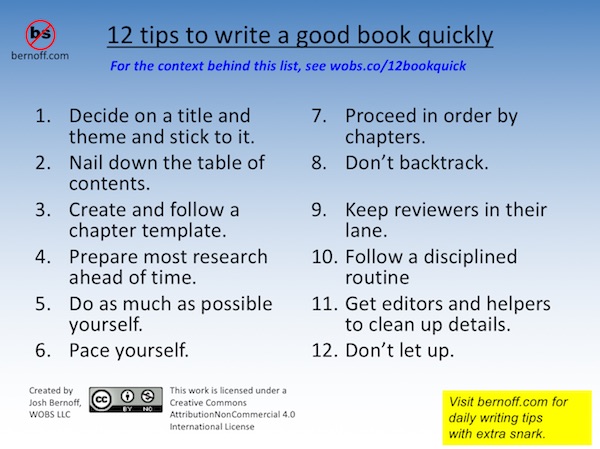
Credit: bernoff.com
Frequently Asked Questions
How Many Books To Sell To Make $100,000?
To earn $100,000, divide that amount by your book’s net profit per copy. For example, at a $5 profit, sell 20,000 books.
Is It Possible To Write A Book In 3 Days?
Yes, writing a book in 3 days is possible with strict planning, focused writing sprints, and minimal distractions. It requires intense effort and a clear outline.
Is $60,000 Enough For A Book?
Yes, $60,000 can cover writing, editing, design, and marketing for a book. Success depends on genre and promotion efforts.
How Much Does an Author Make On A $20 Book?
An author typically earns $2 to $6 from a $20 book, depending on royalties and publishing method.
Conclusion
Writing a book fast takes focus and simple steps. Set clear goals and write daily. Use tools like YouBooks to organize ideas quickly. Break your work into small parts to avoid feeling overwhelmed. Keep distractions low and write in short, timed sessions.
Remember, progress matters more than perfection. Stay consistent and finish your draft step by step. With patience and the right tools, your book will come together faster than you think. Start writing today and watch your story grow.