
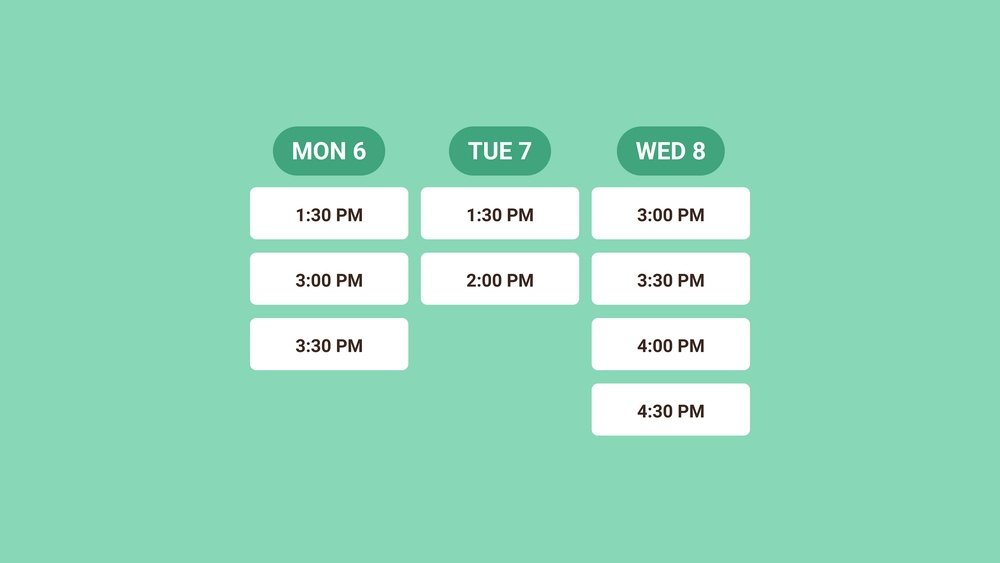
Struggling to find the perfect time for your meetings? You’re not alone.
Juggling calendars, time zones, and back-and-forth emails can drain your energy and waste valuable time. Imagine if you could simplify this whole process and let your clients, colleagues, or friends book meetings with you effortlessly. That’s exactly where the best meeting scheduler comes in—and Tidycal stands out as a game-changer.
Designed to save you time and reduce scheduling headaches, Tidycal makes booking meetings smooth and hassle-free. Ready to discover how it can transform your daily routine? Keep reading to find out why Tidycal might be exactly what you need.
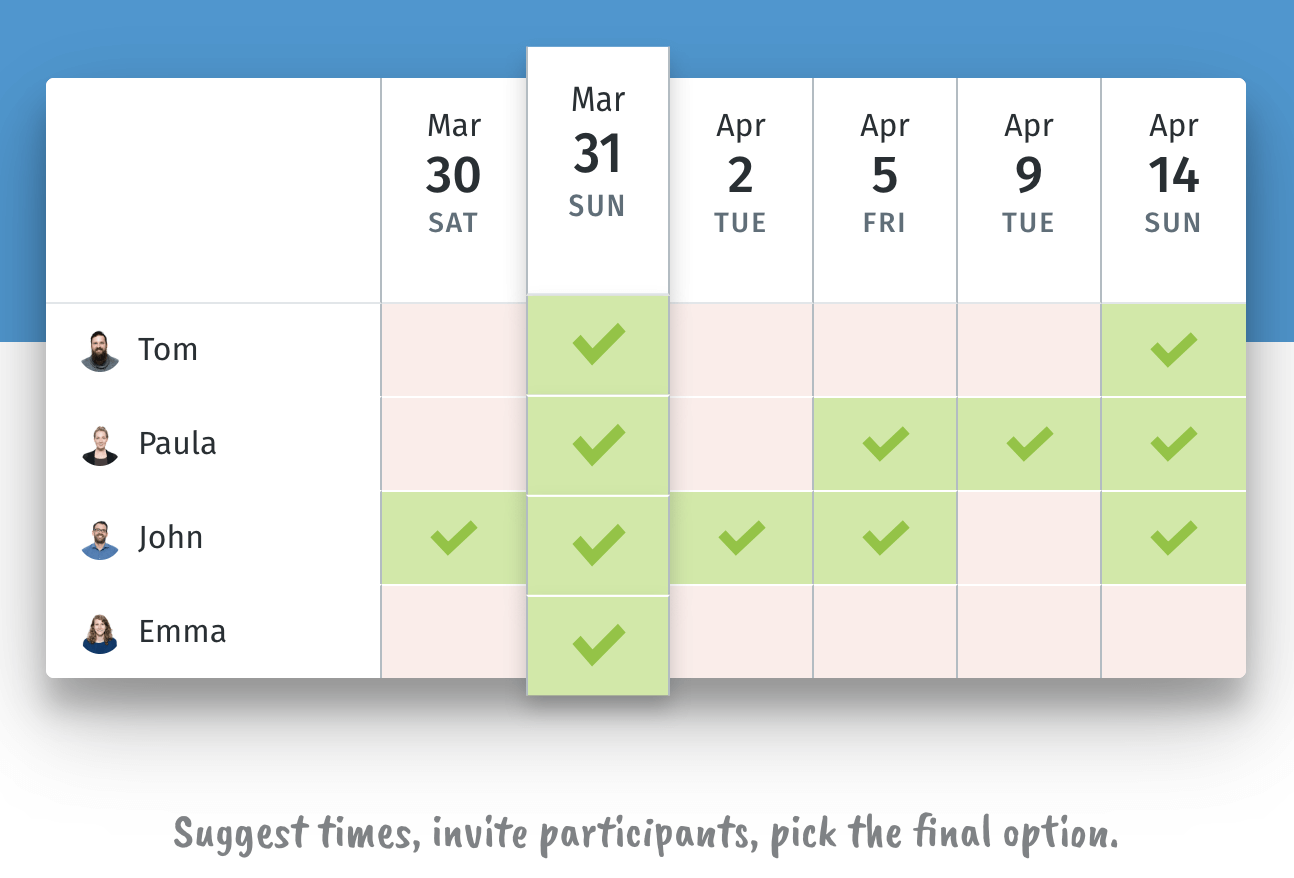
Credit: mailshake.com
Introduction To Meeting Schedulers And Their Purpose
Meeting schedulers are digital tools designed to simplify the process of setting up appointments and meetings. They help users avoid back-and-forth emails or calls by offering a streamlined way to find suitable times. These tools are essential for professionals, teams, and businesses that require efficient time management and easy coordination.
The primary purpose of meeting schedulers is to save time and reduce scheduling conflicts. They allow users to share their availability via a link, enabling others to book meetings directly based on open slots. This automation frees up time and creates a smoother experience for everyone involved.
Understanding The Need For Meeting Scheduling Tools
Scheduling meetings manually can be time-consuming and prone to errors. Common challenges include:
- Multiple email exchanges to find a suitable time
- Double bookings or overlapping appointments
- Difficulty managing different time zones
- Missed meetings due to miscommunication
Meeting scheduling tools address these problems by:
- Showing real-time availability
- Automating booking confirmations and reminders
- Integrating with calendars like Google Calendar or Outlook
- Allowing easy rescheduling or cancellations
Tools like Tidycal provide a simple interface to manage bookings, making scheduling painless and efficient.
How Meeting Schedulers Boost Productivity And Collaboration
Using a meeting scheduler improves productivity by cutting down time spent on administrative tasks. Teams can focus on work instead of planning meetings.
Key benefits include:
| Benefit | Description |
|---|---|
| Time Savings | Eliminates back-and-forth emails and calls. |
| Better Coordination | Aligns schedules across teams and clients easily. |
| Reduced No-Shows | Automated reminders keep everyone informed. |
| Improved Focus | Less distraction from scheduling tasks. |
Meeting schedulers also foster collaboration by making it easy to plan group meetings and share availability transparently. Tools like Tidycal offer customizable booking pages, helping teams stay organized and connected.

Credit: www.zencal.io
Key Features Of Top Meeting Scheduler Tools
Top meeting scheduler tools offer features that simplify booking and managing meetings. These tools save time and reduce scheduling conflicts. They improve how teams coordinate and communicate.
Automated Availability Management: Simplifying Time Coordination
Automated availability management lets users share their free time automatically. It avoids back-and-forth emails to find suitable slots. The scheduler checks calendars and suggests open times instantly.
This feature syncs calendars in real-time to prevent double bookings. It helps both hosts and invitees see updated availability.
Customizable Booking Pages: Enhancing User Experience And Branding
Customizable booking pages allow businesses to create branded scheduling links. Users can add logos, colors, and personalized messages. This builds trust and professionalism.
Clear, simple booking pages make it easy for clients to select meeting times. Custom options improve the overall user experience and increase booking rates.
Integration With Calendars And Communication Platforms: Seamless Workflow
Top schedulers integrate with popular calendars like Google Calendar, Outlook, and Apple Calendar. They also connect with communication apps such as Zoom, Microsoft Teams, and Slack.
These integrations automate meeting creation and reminders. Users avoid manual entry and stay organized across platforms.
Ai-powered Scheduling Assistants: Reducing Manual Effort And Conflicts
AI scheduling assistants handle meeting requests and suggest optimal times. They learn preferences and prioritize important participants. This reduces scheduling errors and overlaps.
AI tools can send follow-ups and reschedule meetings automatically. They minimize human effort and keep calendars conflict-free.
Support For Group Scheduling And Complex Meeting Types: Catering To Diverse Needs
Group scheduling features allow multiple participants to find common times easily. Tools support one-on-one, team meetings, and multi-person events.
Complex meeting types like round-robin or pooled availability help distribute meetings fairly among team members.
Priority-based Scheduling: Optimizing Time Allocation For Important Tasks
Priority-based scheduling lets users rank meetings by importance. The tool then allocates time to high-priority tasks first.
This ensures critical meetings get scheduled without conflicts. Less urgent meetings fill remaining slots.
Flexible Meeting Venues And Formats: Adapting To Hybrid And Remote Work
Schedulers support various meeting formats: in-person, video calls, or phone meetings. Users can set preferred venues or virtual links.
This flexibility fits hybrid work models and remote teams. It helps participants join meetings easily from anywhere.
Pricing And Affordability Breakdown Of Leading Meeting Schedulers
Choosing the right meeting scheduler depends on understanding pricing and value. Meeting schedulers offer varied plans to fit different needs, from free versions to premium subscriptions. This section breaks down the costs and benefits of popular schedulers like Tidycal, helping you decide which plan matches your budget and requirements.
Free Vs. Paid Plans: What You Get At Each Level
Free plans usually provide basic scheduling features. They are good for simple needs but come with limitations such as fewer calendar connections or limited meeting types.
Paid plans unlock more features and flexibility. Here’s a quick comparison:
| Feature | Free Plan | Paid Plan |
|---|---|---|
| Number of Calendars | 1 calendar | Multiple calendars |
| Meeting Types | Limited options | Customizable meeting types |
| Integrations | Basic integrations | Advanced app integrations |
| Notifications | Standard alerts | Custom reminders and follow-ups |
| Branding | Platform branding visible | Custom branding options |
Tidycal offers a simple free plan with essential tools. Their paid plan adds more calendars and features at a reasonable price.
Cost-effectiveness For Individuals, Small Businesses, And Enterprises
Individuals benefit most from free or low-cost plans. These cover personal scheduling without extra fees.
Small businesses need features like team scheduling and integrations. Paid plans provide better control and collaboration tools.
Enterprises require advanced features and high customization. They often choose premium plans with dedicated support and API access.
| User Type | Recommended Plan | Key Benefits |
|---|---|---|
| Individuals | Free or Basic Paid | Simple setup, limited meetings |
| Small Businesses | Standard Paid | Multiple users, integrations, branding |
| Enterprises | Premium or Custom | Advanced features, API, priority support |
Value-added Features Worth Investing In
Some paid features improve productivity and user experience significantly. Consider these when choosing a plan:
- Multiple calendar connections allow syncing work and personal schedules.
- Custom meeting types help tailor bookings for different needs.
- Automated reminders reduce no-shows and keep everyone on time.
- Team scheduling simplifies group bookings and availability checks.
- Custom branding creates a professional look for your booking page.
- Integrations with tools like Zoom or Google Meet streamline meeting setups.
Tidycal’s paid plan includes many of these features at an affordable rate, making it a solid choice for users wanting more control and professionalism.
Pros And Cons Based On Real-world Usage
Choosing the best meeting scheduler depends on real-world strengths and limitations. Users share their experiences with tools like Tidycal, Calendly, Google Calendar, and Cal.com. This section highlights key advantages and drawbacks from actual use.
Strengths: Ease Of Use, Time Savings, And Integration Capabilities
Ease of Use stands out as a top benefit. Most meeting schedulers offer intuitive interfaces. Users quickly set up meeting links without hassle.
- Tidycal is praised for its simple, clean design.
- Calendly offers guided steps to create complex event types easily.
- Google Calendar provides seamless scheduling within a familiar environment.
Time Savings is another major plus. Automated booking reduces back-and-forth emails and phone calls.
- Instant availability sharing speeds up meeting arrangements.
- Automatic reminders reduce no-shows effectively.
Integration Capabilities enhance user workflows. Connecting with calendars, email, and video apps is vital.
| Tool | Key Integrations | Benefit |
|---|---|---|
| Tidycal | Google Calendar, Zoom, Outlook | Syncs meetings and supports video calls smoothly |
| Calendly | Slack, Salesforce, Zoom, Google Calendar | Fits well into business workflows |
| Google Calendar | Google Meet, Gmail, Contacts | Integrated Google ecosystem convenience |
Limitations: Learning Curve, Feature Gaps, And Platform Restrictions
Learning Curve affects some users. Advanced features require time to master.
- Calendly’s complex event types may confuse new users.
- Cal.com’s flexibility comes with setup challenges.
Feature Gaps exist in free or basic plans.
- Some tools lack robust team scheduling options.
- Limited customization on notifications and branding.
Platform Restrictions limit availability.
- Some schedulers function better on desktop than mobile.
- Integration limits appear with certain calendars or video platforms.
User Feedback Highlights From Popular Tools Like Calendly, Google Calendar, And Cal.com
Calendly users value its powerful scheduling for teams and complex events.
- “Helps coordinate meetings across time zones easily.”
- “Custom notifications keep everyone informed.”
- “Some features locked behind higher pricing tiers.”
Google Calendar appeals with its straightforward scheduling and free access.
- “Booking directly within my calendar saves time.”
- “Simple interface but lacks advanced scheduling options.”
- “Best for Google users but less flexible for teams.”
Cal.com users highlight its flexibility and open-source nature.
- “Highly customizable for unique scheduling needs.”
- “Takes effort to configure properly.”
- “Strong community support and frequent updates.”
Specific Recommendations For Ideal Users And Scenarios
Choosing the best meeting scheduler depends on your role and how you work. Different users and teams have unique needs. This section breaks down top schedulers by user type and meeting demands. Clear guidance helps pick the right tool for each situation.
Best Meeting Schedulers For Solo Professionals And Freelancers
Solo professionals and freelancers need simple, easy-to-use tools that save time. They want schedulers that integrate with calendars and reduce back-and-forth emails. Key features include:
- Quick setup and minimal learning curve
- Customizable booking pages
- Automatic timezone detection
- Affordable pricing with essential features
Tidycal fits perfectly here. It offers a clean interface and flexible booking options. Freelancers can manage multiple meeting types without complexity. It syncs smoothly with Google Calendar, avoiding double bookings.
Top Tools For Teams And Group Collaboration
Teams need schedulers supporting multiple users and shared availability. Collaboration tools should allow:
- Group meeting scheduling
- Round robin and collective booking
- Integration with team calendars and apps
- Notifications and reminders for all members
CalendlyCal.com are strong contenders. They handle complex schedules and event types. Both platforms provide workflows tailored to team environments. They improve coordination and reduce meeting conflicts.
Scheduling Solutions Tailored For Sales, Customer Support, And Startups
Sales and support teams face high meeting volumes and tight schedules. Startups often need affordable, scalable tools with automation. Important features include:
- CRM integration for tracking contacts
- Automated follow-ups and reminders
- Priority-based and buffer time settings
- Custom branding and booking workflows
Reclaim and Sidekick offer priority scheduling and venue variety. These tools help manage many daily meetings without manual effort. Tidycal also suits startups with its straightforward pricing and easy setup.
Choosing The Right Scheduler Based On Meeting Complexity And Volume
Meeting needs vary by complexity and volume. Simple one-on-one meetings require less robust tools. Large or recurring meetings need advanced features. Consider:
| Meeting Type | Recommended Scheduler | Key Features |
|---|---|---|
| Simple one-on-one | Tidycal, Zcal | Easy setup, calendar sync, timezone support |
| Group or team meetings | Calendly, Cal.com | Round robin, shared calendars, workflows |
| High-volume sales/support | Reclaim, Sidekick | CRM integration, automated reminders, priority slots |
Volume and complexity guide scheduler choice. Less complexity needs simpler tools like Tidycal. More volume and team involvement require advanced platforms like Calendly.

Credit: www.appypieautomate.ai
Conclusion: Maximizing Productivity With The Right Meeting Scheduler
Choosing the right meeting scheduler can boost efficiency and save valuable time. A good scheduler simplifies booking, reduces email back-and-forth, and keeps calendars organized. This makes daily workflows smoother and meetings more productive.
Tidycal stands out as a simple yet powerful tool. It offers easy scheduling without confusion. Using the right features can improve team collaboration and client interactions.
Summary Of Key Benefits And Features
- Easy Booking: Allows users to set available times with just a few clicks.
- Customizable Booking Pages: Personalize the appearance to reflect your brand or style.
- Calendar Integration: Syncs with Google Calendar and others to avoid double bookings.
- Automated Notifications: Sends reminders to reduce no-shows and keep everyone informed.
- Group Scheduling: Supports team meetings by showing collective availability.
- User-Friendly Interface: Simple design that even beginners find easy to navigate.
| Feature | Benefit |
|---|---|
| Booking Page Customization | Creates a professional look and builds trust with clients |
| Calendar Sync | Prevents scheduling conflicts and keeps all events updated |
| Automated Reminders | Reduces missed meetings and improves punctuality |
Final Tips For Selecting And Implementing A Meeting Scheduler Effectively
- Identify Your Needs: Understand your team’s size and meeting types.
- Test Features: Use free trials to explore ease of use and functionality.
- Check Integration: Ensure the scheduler works with your existing tools like calendars and email.
- Set Clear Availability: Define specific time slots to avoid confusion and overlapping bookings.
- Communicate with Your Team: Train everyone on how to use the scheduler smoothly.
- Gather Feedback: Regularly ask for user input to improve scheduling processes.
Focus on simplicity and reliability. This helps avoid frustration and saves time. Tidycal offers a balanced set of tools to meet these goals. Select a scheduler that fits your workflow and encourages productivity.
Frequently Asked Questions
What Is The Best Meeting Scheduler?
The best meeting scheduler depends on your needs. Popular options include Calendly for teams, Google Calendar for integration, and Cal. com for flexibility. Free tools like Zcal and Doodle also offer easy booking. Choose based on features like customization, AI assistance, and group scheduling.
Is Google Calendar Or Calendly Better?
Google Calendar offers a simple, integrated schedule view. Calendly handles complex bookings, ideal for teams and customization. Choose based on your needs.
Does Google Have A Meeting Scheduler?
Yes, Google offers a meeting scheduler through Google Calendar’s appointment schedules. It lets you share available times for booking.
Which App Is Most Suitable For Scheduling Meetings?
Calendly is the most suitable app for scheduling meetings. It supports complex schedules, team collaboration, and customizable notifications. Google Calendar also works well, offering direct booking via appointment schedules. For flexibility, try Cal. com or Doodle, which simplify group meeting coordination efficiently.
Conclusion
Choosing the right meeting scheduler saves time and reduces stress. Tidycal offers a simple and clear way to book meetings. It works well for individuals and small teams. Its clean design helps avoid confusion and double bookings. Using Tidycal means fewer emails and easier planning.
Try it to see how smooth scheduling can be. Good tools make work and life easier. Start organizing your meetings with Tidycal today.