
Are you ready to bring your non-fiction book idea to life, but feel overwhelmed by where to start? With the right Book Writing Software for Non-Fiction Authors, you can organize your research, structure your chapters clearly, and keep your writing focused from start to finish. Writing a non-fiction book becomes much easier when you have the proper tools to guide your process.
That’s where the right book-writing software steps in to make your journey smoother and more efficient. YouBooks is designed specifically for writers like you, offering powerful tools that simplify the entire process from brainstorming to final draft. Imagine having everything you need in one place, so you can focus on what truly matters: sharing your knowledge and story with the world.
Keep reading to discover how YouBooks can transform your writing experience and help you complete your non-fiction masterpiece faster than you thought possible.
Introduction To Book Writing Software For Non-fiction
Writing non-fiction books demands clear organization and accurate content. Using specialized book-writing software helps authors manage complex information. These tools keep ideas, research, and drafts in one place. They also improve focus and productivity during the writing process.
Non-fiction writers face unique challenges compared to fiction authors. Software designed for non-fiction supports tasks like fact-checking, citation, and outlining. This support makes writing smoother and more efficient.
Purpose And Importance Of Specialized Software For Non-fiction Writers
Non-fiction books often contain detailed research, facts, and references. Specialized software helps writers to:
- Organize research materials efficiently in one platform.
- Create detailed outlines to structure chapters logically.
- Manage citations and sources without confusion.
- Track revisions and keep versions of drafts.
- Improve focus by minimizing distractions during writing.
Such software reduces the time spent on formatting and organizing. Writers can concentrate more on content quality and clarity.
Overview Of Challenges Faced By Non-fiction Authors And How Software Helps
Non-fiction authors handle large volumes of data and facts. They must ensure accuracy and clear presentation. Common challenges include:
- Keeping research notes organized and accessible.
- Structuring complex information into clear chapters.
- Managing citations and references properly.
- Avoiding writer’s block during long writing sessions.
- Maintaining consistent tone and style throughout the book.
Book writing software addresses these issues by providing:
| Challenge | Software Feature | Benefit |
|---|---|---|
| Organizing research notes | Centralized research database | Quick access to facts and quotes |
| Structuring content | Outline and chapter management | Clear, logical flow of ideas |
| Managing citations | Integrated citation tools | Accurate referencing and credibility |
| Maintaining focus | Distraction-free writing modes | Improved writing efficiency |
Tools like YouBooks offer a user-friendly interface for these features. They simplify the writing journey for non-fiction authors.
Credit: www.notta.ai
Key Features Of Top Book Writing Software For Non-fiction
Choosing the right software can simplify writing non-fiction books. The best tools offer features that help organize ideas, manage research, and keep writing focused. They also support collaboration and provide smart assistance to boost productivity.
Organizational Tools: Structuring Complex Non-fiction Content
Non-fiction books often contain many sections and facts. Top software providers:
- Chapter and section management: Easily create and rearrange chapters.
- Outline views: Visualize your book’s structure at a glance.
- Note-taking features: Store ideas and reminders within the project.
- Tagging and labeling: Quickly find content by theme or topic.
These tools keep complex content clear and well-organized.
Research Management: Handling References And Bibliographies Efficiently
Non-fiction demands accurate sourcing. The best software helps by:
- Importing references: Add citations from databases or files.
- Automatic bibliography generation: Create reference lists in common styles.
- In-text citation support: Insert citations without interrupting writing flow.
- Organizing research notes: Link notes to specific chapters or topics.
This saves time and ensures correct citation formatting.
Writing Environment: Distraction-free And Customizable Interfaces
Focus is key during writing. Leading software offers:
- Minimalist writing modes: Hide menus and toolbars to reduce distractions.
- Customizable fonts and colors: Adjust text appearance for comfort.
- Dark mode options: Reduce eye strain during long sessions.
- Autosave and version history: Prevent data loss and track changes over time.
A smooth writing environment helps maintain flow and creativity.
Collaboration And Feedback Integration: Streamlining Editorial Processes
Feedback improves quality. Top software supports:
- Real-time collaboration: Multiple users edit and comment simultaneously.
- Commenting tools: Leave notes and suggestions directly on the text.
- Version control: Track edits and revert to earlier drafts easily.
- Export options: Share work in formats suitable for editors and reviewers.
These features make teamwork smooth and organized.
Ai-powered Assistance: Enhancing Productivity And Idea Generation
Modern book writing software includes AI tools that:
- Suggest topic ideas: Generate fresh concepts based on your content.
- Provide writing prompts: Help overcome writer’s block.
- Check grammar and style: Improve clarity and correctness automatically.
- Summarize research notes: Create concise overviews quickly.
AI assistance speeds up writing and sharpens the text.
Detailed Benefits Of Each Feature For Non-fiction Authors
Non-fiction authors face unique challenges like organizing facts, managing research, and maintaining credibility. Book writing software tailored for non-fiction helps solve these issues by offering specialized features. Each feature plays a vital role in streamlining the writing process and improving the final output. Here is a detailed look at the benefits of key features for non-fiction authors.
How Organizational Tools Solve Content Overwhelm And Improve Flow
Organizational tools reduce the stress of managing large amounts of information. They help authors:
- Structure chapters and sections clearly to keep ideas in order.
- Create outlines that map the entire book’s flow.
- Link related content for easy navigation between topics.
These tools prevent content overload by breaking information into manageable parts. This improves the book’s logical flow. Authors can focus on writing without losing track of key points.
The Role Of Research Management In Maintaining Accuracy And Credibility
Research management features organize sources, notes, and citations efficiently. They provide:
- A central place to store and categorize research materials.
- Quick access to references during writing.
- Tools to insert citations correctly and avoid plagiarism.
Maintaining accuracy is easier with all facts and data at hand. This builds trust with readers and strengthens the author’s credibility.
Importance Of A Focused Writing Environment For Sustained Productivity
A focused writing environment minimizes distractions. Features include:
- Full-screen mode to block out unrelated apps.
- Customizable layouts that suit the author’s workflow.
- Distraction-free editors that highlight text clearly.
This helps authors maintain concentration for longer periods. Consistent writing habits lead to faster project completion.
How Collaboration Features Facilitate Teamwork And Editorial Revisions
Collaboration tools allow seamless teamwork with editors and co-authors. Benefits include:
- Real-time commenting to discuss changes instantly.
- Version control to track edits and revert if needed.
- Shared access to drafts for smooth communication.
These features make the revision process clear and efficient. Teams can work together without confusion or lost feedback.
Leveraging AI to Overcome Writer’s Block And Accelerate Drafting
AI-powered tools assist authors in generating ideas and drafting faster. Key advantages are:
- Idea prompts that spark creativity during slow moments.
- Automated content suggestions to expand or refine text.
- Grammar and style checks to improve clarity instantly.
AI helps keep writing momentum steady. It reduces the time spent stuck on difficult sections.

Credit: www.atticus.io
Pricing And Affordability Breakdown
Choosing the right book-writing software depends heavily on pricing and value. Non-fiction authors need tools that fit their budget without sacrificing features. This section explores pricing models, free trials, and the true value of investing in helpful software.
Comparison Of Popular Software Pricing Models And Subscription Plans
Many book-writing tools offer varied pricing structures. Some require a one-time purchase. Others use monthly or yearly subscriptions. Understanding these helps find the best fit for your needs.
| Software | Pricing Model | Cost | Platform | Notes |
|---|---|---|---|---|
| Microsoft Word | Subscription | $6.99/month (Microsoft 365 Personal) | Windows, Mac, Web, Mobile | Includes cloud storage and updates |
| Evernote | Freemium + Subscription | Free basic, $7.99/month Premium | Windows, Mac, Web, Mobile | Good for note organization |
| Dabble | Subscription | $9/month or $96/year | Web-based | Focused on fiction but useful for structure |
| YouBooks | One-time purchase | Check the current price on AppSumo | Web-based | Specifically designed for non-fiction authors |
Evaluating Free Trials And Freemium Versions For Risk-free Testing
Free trials and freemium versions let authors test software without financial risk. Many popular tools offer these options.
- Microsoft Word: 30-day free trial available with full features.
- Evernote: Free basic plan with limited storage and features.
- Dabble: 14-day free trial for full access.
- YouBooks: Check AppSumo for any available trial or demo options.
Testing software helps confirm if its interface and tools match your writing style. It also avoids unnecessary expenses.
Cost-benefit Analysis: Investing In Tools That Boost Efficiency
Good book-writing software saves time and reduces frustration. This means faster progress on your manuscript.
Consider these benefits:
- Organized chapters and notes for easy access.
- Built-in research and citation tools to save effort.
- Distraction-free writing modes to improve focus.
- Export options suitable for publishing formats.
Spending on reliable software often pays off by improving productivity. For non-fiction authors, this can mean completing projects sooner and with less hassle.
Evaluate the features against the cost. Choose a tool that fits both your budget and writing needs.
Pros And Cons Based On Real-world Usage
Choosing the right book-writing software for non-fiction involves weighing practical benefits against common challenges. Real users reveal what works well and what falls short. This section explores strengths, limitations, and direct feedback from authors who write non-fiction books.
Strengths Of Leading Software Like Scrivener, Microsoft Word, And Livingwriter
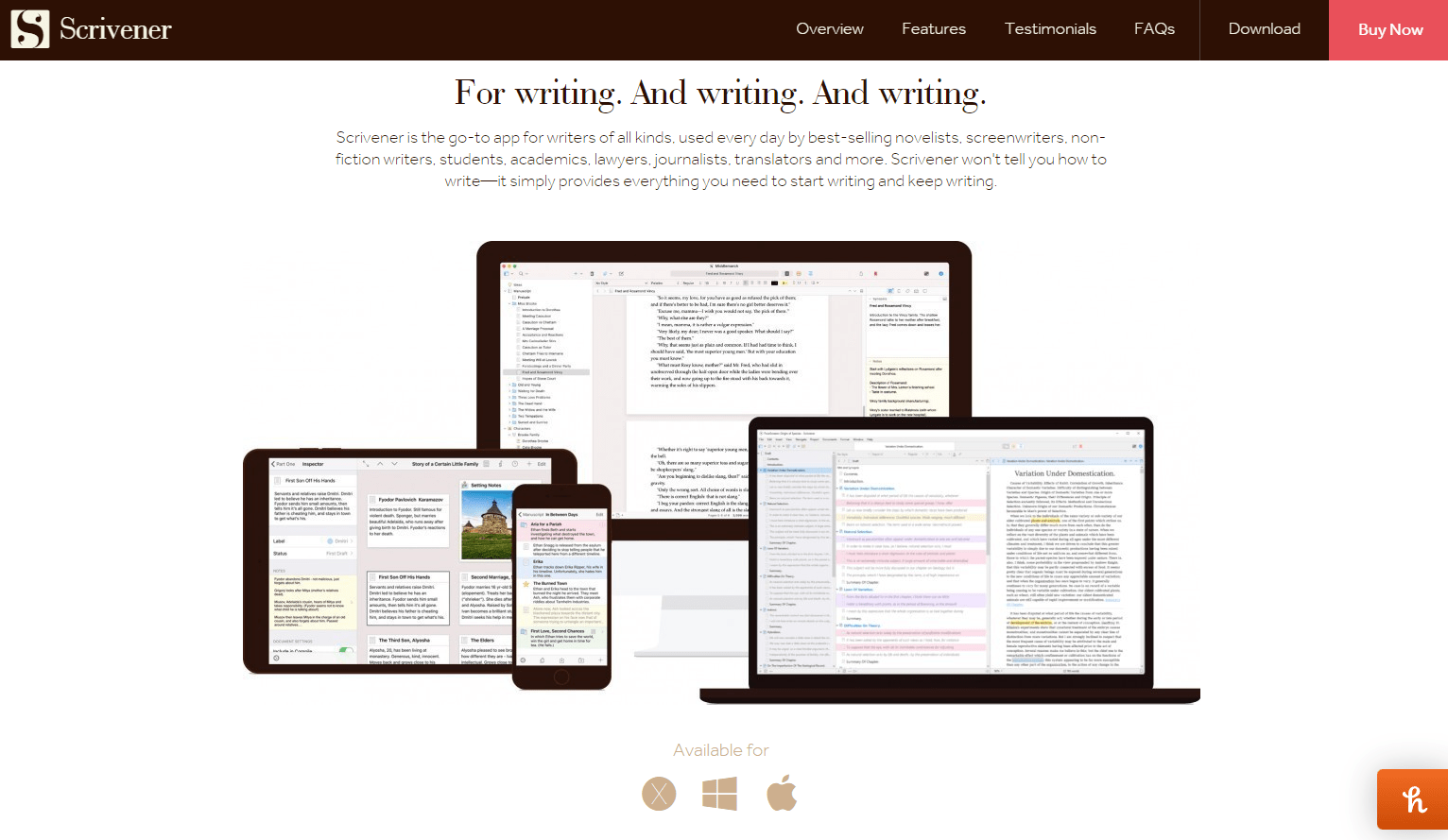
Scrivener offers powerful tools for organizing complex material. Its corkboard and outlining features help writers keep track of chapters and research easily.
Microsoft Word remains popular for its simplicity and widespread availability. It supports detailed formatting, track changes, and collaboration with editors.
LivingWriter provides an intuitive interface tailored for book projects. It includes templates and cloud syncing, which help writers work from anywhere.
| Software | Key Strengths | Ideal For |
|---|---|---|
| Scrivener | Advanced organization, research integration, flexible export options | Writers handling large, research-heavy non-fiction projects |
| Microsoft Word | Universal format, strong editing tools, easy collaboration | Writers needing simple, reliable word processing with editing features |
| LivingWriter | Book templates, cloud syncing, and a user-friendly design | Writers seeking focused book writing software with modern features |
Common Limitations And Challenges Users Face
- Complexity: Scrivener’s many features can overwhelm beginners.
- Cost: Some software requires paid subscriptions or one-time fees.
- Formatting issues: Exporting to different formats may cause layout problems.
- Learning curve: New users often spend time mastering tools before writing.
- Distraction: Overly feature-rich programs can distract from actual writing.
User Feedback: What Non-fiction Writers Appreciate And Critique
Appreciations:
- Easy access to research and notes within writing software.
- Templates that help structure non-fiction books effectively.
- Cloud synchronization allows work on multiple devices seamlessly.
- Strong editing and revision tools to refine drafts.
Critiques:
- Some users find frequent updates disrupt their workflow.
- Limited export options in certain software frustrate formatting needs.
- High cost for premium features discourages hobby writers.
- Difficulty in integrating with other writing or research tools.
Credit: www.forewordreviews.com
Recommendations For Ideal Users And Writing Scenarios
Choosing the right book writing software depends on the author’s experience and project type. Different tools fit different needs. Non-fiction authors benefit from software tailored to their unique writing style and workflow. This section highlights ideal software for various users and writing scenarios.
Best Software Choices For First-time Non-fiction Authors
New non-fiction authors need simple, clear, and structured tools. Software should help organize ideas and chapters easily.
- Microsoft Word: Familiar interface, strong formatting, and wide compatibility.
- Evernote: Great for note-taking and organizing research.
- YouBooks: Designed for beginners with user-friendly features and a clear layout.
These tools reduce overwhelm and keep the writing process smooth. They provide templates and guides to support new authors.
Tools Suited For Academic And Research-heavy Projects
Academic writers need software that manages citations, references, and large volumes of research efficiently.
| Software | Key Features | Best For |
|---|---|---|
| Zotero | Reference management, easy citation insertion | Researchers and academics |
| Scrivener | Flexible document organization supports large projects | Complex, research-heavy books |
| Microsoft Word | Track changes, comments, and citation tools | Academic papers and theses |
These tools help manage data and maintain focus on writing quality content.
Software Options For Collaborative And Team-based Writing
Collaborative projects require software that supports real-time editing and clear communication.
- Google Docs: Real-time collaboration, easy sharing, and commenting.
- youbooks: Supports team workflows and shared access for non-fiction projects.
- Dropbox Paper: Combines writing and task management for teams.
These platforms keep everyone on the same page and simplify feedback integration.
Selecting AI-enhanced Tools For Rapid Content Creation
AI tools speed up writing by generating ideas, outlines, and drafts quickly.
- YouBooks: Includes AI features tailored for non-fiction authors.
- ChatGPT-based apps: Assist with brainstorming and initial drafts.
- Grammarly: Enhances writing clarity and correctness instantly.
AI tools reduce writer’s block and speed up content production without sacrificing quality.
Conclusion: Choosing The Right Book Writing Software For Your Non-fiction Project
Selecting the best book writing software shapes your non-fiction project’s success. The right tool boosts productivity and improves writing quality. Each software offers unique features. Match them with your writing style and project needs. Focus on tools that help you organize research, structure chapters, and edit easily.
YouBooksa stands out for its simple interface and strong organization tools. It supports a smooth workflow for non-fiction writers. Choosing software like Youbooks can help you stay focused and manage your book efficiently.
Summarizing Key Takeaways For Productivity And Quality
- Organization: Use software that helps arrange notes and chapters clearly.
- Ease of Use: Simple, clean interfaces reduce distractions and save time.
- Research Management: Store and access research easily within your project.
- Editing Tools: Built-in grammar and style checks improve writing quality.
- Flexibility: Ensure the software supports different devices and file formats.
- Focus Features: Distraction-free modes enhance concentration during writing.
| Feature | Benefit for Non-Fiction Writers |
|---|---|
| Note Organization | Quickly access research and references |
| Chapter Structuring | Keep content logical and easy to follow |
| Collaboration | Share drafts with editors or peers |
| Export Options | Publish in various formats without hassle |
Final Tips For Maximizing Software Benefits In Your Writing Journey
- Set clear goals: Define daily or weekly writing targets.
- Explore features: Spend time learning all the tools inside the software.
- Back up work: Save drafts regularly to avoid data loss.
- Use templates: Templates speed up formatting and consistency.
- Stay organized: Keep research, notes, and chapters well-sorted.
- Regular reviews: Edit and revise often for clarity and flow.
Choosing the right writing software, like Youbooks, allows a smooth, focused writing process. Take time to explore its tools fully. This effort will improve your book’s quality and ease your writing journey.
Frequently Asked Questions
What Software Do Most Authors Use To Write Books?
Most authors use Microsoft Word, Scrivener, or Google Docs to write books. These tools offer strong editing and organization features.
What Software Did Jk Rowling Use?
J. K. Rowling used Microsoft Word to write her Harry Potter books, as seen in the documentary “J. K. Rowling: A Year In The Life. “
Can I Use Chatgpt To Write A Non-fiction Book?
Yes, you can use ChatGPT to write a non-fiction book. Rewrite the content in your own words to ensure originality and copyright.
What Book Writing Software Is Best For Beginners?
Scrivener is ideal for beginners, offering an organized, user-friendly platform for all writing types. Microsoft Word and LivingWriter also suit new authors well.
Conclusion
Choosing the right book-writing software makes non-fiction writing easier. Tools like YouBooks help organize ideas clearly and stay focused. Simple features save time and reduce stress during writing. Writers can draft, edit, and format all in one place. Good software supports creativity without distraction.
Try different options to find what fits your style best. Writing your book becomes smoother with the right help. Keep your goal clear and your writing steady. Your non-fiction story deserves the best tools to shine.