

Imagine having your very own learning social network where you control everything—who joins, what they learn, and how they connect. What if you could build this powerful community without any tech headaches or expensive setups?
With Tagmango, you can turn that idea into reality. This tool helps you create, launch, and manage your personalized learning platform quickly and easily. Ready to see how Tagmango can put you in charge of your own learning network? Keep reading to discover how you can start today and watch your community grow.

Credit: appsumo.com
Introduction To Building Your Own Learning Social Network
Building a learning social network creates a space where people connect and share knowledge. It helps learners and educators interact in a focused community. Such networks encourage collaboration, discussion, and continuous learning.
Choosing to build your own platform offers control over features and user experience. It supports specific learning goals and adapts to the needs of your community.
Understanding The Purpose And Benefits Of A Learning Social Network
A learning social network serves as an online hub for education and interaction.
- Focused Learning Environment: Keeps users engaged with relevant content.
- Community Building: Connects learners with peers and mentors.
- Resource Sharing: Allows easy exchange of materials and ideas.
- Real-Time Feedback: Supports instant communication and support.
These benefits improve knowledge retention and motivation among users.
Why Create A Dedicated Platform For Learning Communities?
A dedicated learning platform provides features tailored to education.
- Customization: Design the network to fit your community’s needs.
- Privacy and Security: Control user data and protect information.
- Monetization Options: Offer courses, memberships, or exclusive content.
- Scalability: Grow the community without losing quality.
Such platforms encourage active participation and trust among members.
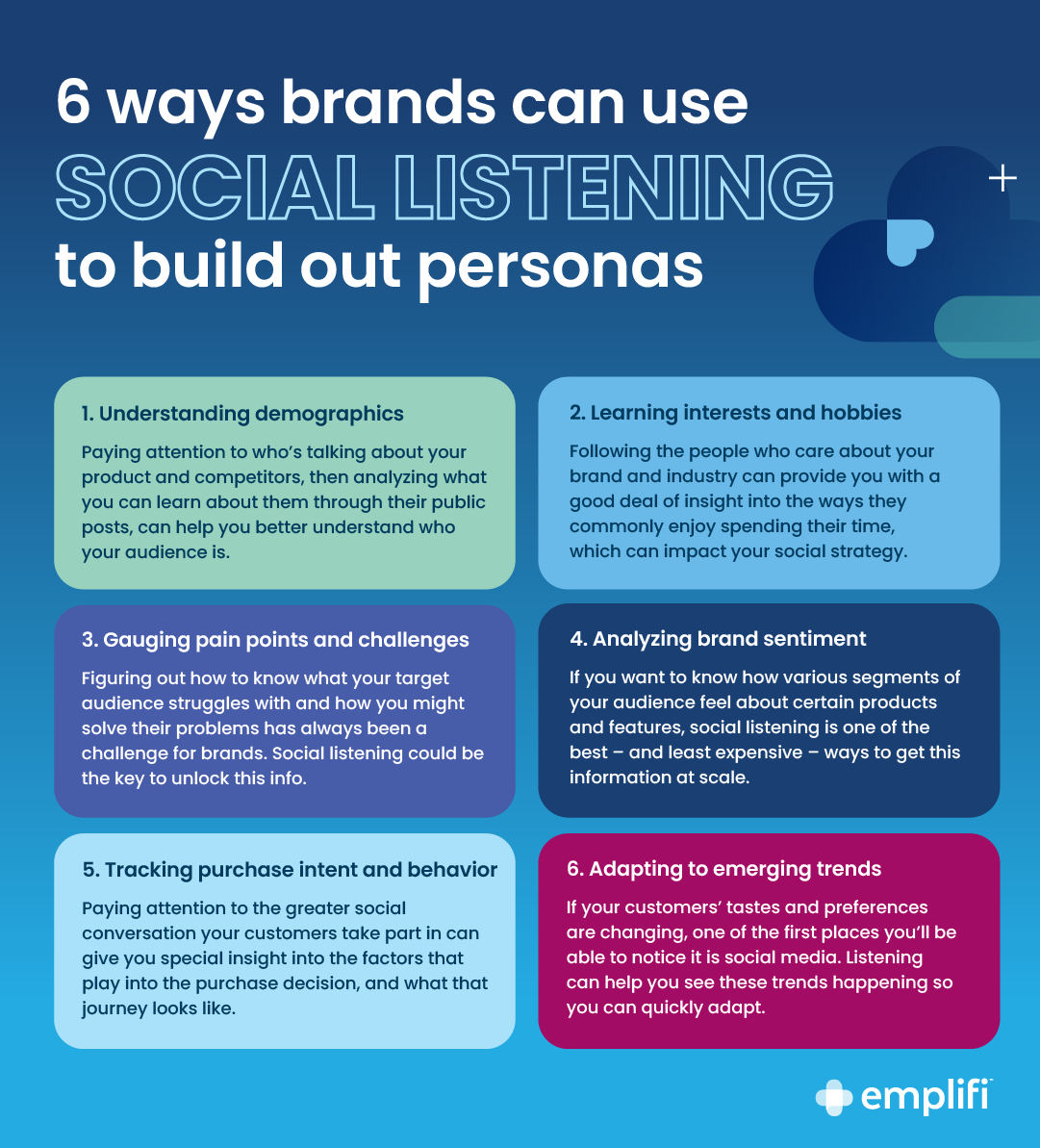
Credit: emplifi.io
Key Features That Make A Learning Social Network Stand Out
Building a successful learning social network requires features that engage users and support learning. The right tools help learners connect, share, and grow together. These features create a dynamic, supportive environment for education.
Interactive Content Sharing And Collaboration Tools
Interactive content sharing lets users post videos, articles, and quizzes easily. Collaboration tools enable group projects and real-time discussions. This keeps learning active and social.
- Upload and share multimedia content
- Collaborative whiteboards and document editing
- Live polls and quizzes for engagement
- Real-time video and chat for instant feedback
These tools create a rich, interactive learning experience.
Personalized Learning Paths And Progress Tracking
Personalized learning paths guide users based on their skills and goals. Progress tracking shows learners how far they have come and what to do next.
- Custom course recommendations
- Milestones and achievement badges
- Detailed progress reports and analytics
- Adaptive learning based on user performance
Personalization keeps learners motivated and focused.
Community Engagement Features: Forums, Groups, And Messaging
Forums and groups build a sense of community. Messaging allows private, direct communication between users.
- Topic-based discussion forums
- Interest and study groups
- Private and group messaging
- Notifications and alerts to stay connected
These features help users support each other and share knowledge.
Integration With Educational Resources And Tools
Integrations connect the social network with other learning tools and resources. This expands learning possibilities without leaving the platform.
- Access to e-books, articles, and videos
- Integration with popular LMS and content libraries
- Third-party tool support for quizzes and assignments
- APIs for custom tool connections
Seamless integration enhances the overall learning experience.
Mobile Accessibility And User-friendly Interface
Mobile accessibility lets users learn anytime, anywhere. A simple, clean interface makes navigation easy for all ages.
- Responsive design for all devices
- Fast loading and smooth performance
- Clear menus and intuitive layouts
- Offline access to key content
User-friendly design ensures learners focus on content, not tech issues.
Step-by-step Guide To Building Your Learning Social Network
Creating a learning social network helps people share knowledge and grow together. This guide breaks down the process into clear, easy steps. Follow each part to build a platform that users will enjoy and trust.
Choosing The Right Platform And Technology Stack
Selecting the best platform and technology is key for a smooth launch. Consider your budget, skills, and the features you need.
- Platform Options: Use ready-made platforms like Tagmango or build custom solutions.
- Technology Stack: Common choices include
ReactorVue.jsfor front-end andNode.jsorPython Djangofor back-end. - Database: Use
MySQL,PostgreSQL, orMongoDBto store user data and content.
Choose tools that support scalability and easy updates to handle growth.
Designing An Intuitive User Experience
Users should find your network simple and enjoyable. Focus on a clean, easy interface.
- Use clear menus and simple navigation paths.
- Design mobile-friendly layouts for learners on the go.
- Include features like user profiles, groups, and discussion boards.
Test designs with real users to find and fix any issues early.
Implementing Core Features And Functionalities
Core features make your learning network useful and engaging.
- Content Sharing: Allow users to upload and share learning materials.
- Social Interaction: Enable comments, likes, and private messaging.
- Gamification: Add badges or points to motivate users.
- Notifications: Keep users updated about new content and replies.
Focus on features that encourage learning and community building.
Testing, Feedback, And Iterative Improvements
Testing helps ensure your network works well and meets user needs.
- Conduct usability tests with a small group of learners.
- Collect feedback on features and design.
- Fix bugs and improve based on user suggestions.
- Repeat tests after updates to maintain quality.
Continuous improvement keeps your network reliable and user-friendly.
Launching And Marketing Your Network Effectively
Prepare for launch by building excitement and reaching your audience.
- Create simple tutorials to help new users join and participate.
- Use email campaigns and social media to spread the word.
- Partner with educators and influencers for wider reach.
- Offer early access or incentives to attract initial users.
Strong marketing grows your user base and builds a learning community.
Pricing And Affordability Considerations
Building and launching a learning social network requires careful thought about costs. Knowing the expenses helps you plan your budget well. Focus on development, hosting, and ongoing maintenance costs. Also, choose the right monetization model. Use tools and services that lower expenses without losing quality.
Cost Breakdown: Development, Hosting, And Maintenance
Development costs vary by features and platform complexity. Basic setups cost less, advanced ones need more budget.
| Cost Element | Description | Estimated Cost Range |
|---|---|---|
| Development | Design, coding, and testing of the platform | $3,000 – $20,000+ |
| Hosting | Server space to run the platform smoothly | $20 – $200 per month |
| Maintenance | Updates, bug fixes, and customer support | $100 – $1,000+ per month |
Plan for these three main costs to keep your network running well. Budget extra for unexpected updates or fixes.
Free Vs. Paid Models: Monetization Strategies
Free models attract many users quickly. They often rely on ads or sponsorships for income.
Paid models charge users for access or premium features. This creates steady revenue but may limit user growth.
- Freemium: Basic free access, paid upgrades.
- Subscription: Monthly or yearly fees for full access.
- One-time purchase: Pay once to join.
- Ads and Sponsorship: Earnings from advertisers.
Choose a model that fits your audience and goals. Many platforms combine these strategies.
Tools And Services That Can Reduce Costs
Use ready-made platforms like Tagmango to cut development time and cost.
Tagmango offers built-in features for learning social networks. It lowers hosting and maintenance needs.
- Pre-built templates for faster setup
- Integrated payment systems for easy monetization
- Cloud hosting included, reducing server expenses
- Automated updates and security features
Other cost-saving tools include open-source software and affordable cloud services. These options help keep your budget lean.
Pros And Cons Of Running Your Own Learning Social Network
Creating your own learning social network offers unique opportunities and challenges. It lets you build a space tailored to learners’ needs. Yet, it requires effort to maintain and grow. Understanding the pros and cons helps in making the right choice.
Advantages: Control, Customization, And Community Building
Owning a learning social network means full control over content and user experience. You decide the rules, features, and design. This customization helps make the platform fit your audience perfectly.
- Control: Set clear goals and guidelines for your network.
- Customization: Tailor tools, layouts, and branding to your vision.
- Community Building: Foster a strong group of engaged learners and educators.
Building a community creates loyalty and encourages active participation. Users feel connected and motivated to share knowledge.
Challenges: Technical Complexity And User Acquisition
Running your own platform involves technical complexity. Setting up servers, managing security, and fixing bugs can be tough. You need some tech skills or help from experts.
Another challenge is user acquisition. Attracting and keeping members takes time and effort. Without a large user base, the network may feel empty and inactive.
- Technical setup and maintenance need constant attention.
- Securing data and protecting privacy is critical.
- Marketing and outreach require ongoing work to grow users.
Long-term Sustainability And Growth Potential
Success depends on sustainability and growth potential. Consistent updates and fresh content keep users engaged. Monetization options help fund the platform’s future.
Consider models like subscriptions, ads, or premium content. Growing your network steadily builds value and impact over time.
| Factor | Considerations |
|---|---|
| Content Updates | Regular additions maintain interest |
| User Engagement | Interactive features boost participation |
| Monetization | Subscription, ads, or paid courses |
| Scalability | Platform must handle growing users smoothly |
Ideal Users And Use Cases For A Learning Social Network
A learning social network creates a space where users connect, share knowledge, and grow skills together. It suits many groups, from schools to businesses. Understanding who benefits most helps tailor the network for better results. Tagmango offers tools to build such a network easily.
Educational Institutions And Training Organizations
Schools, colleges, and training centers need platforms to support students and teachers. A learning social network helps by offering:
- Group discussions and forums for class topics
- Easy sharing of study materials and assignments
- Real-time feedback from peers and instructors
- Virtual spaces for collaborative projects
This setup encourages active learning and keeps students engaged outside the classroom.
Professional Development And Skill-building Communities
Communities focused on career growth use learning social networks to:
- Share industry news and updates
- Host webinars and live training
- Exchange tips and best practices
- Find mentors and peer support
Members improve skills and stay connected with professionals worldwide.
Niche Interest Groups And Peer-to-peer Learning
People with specific hobbies or interests benefit from focused learning networks. Tagmango enables:
- Sharing of specialized content and tutorials
- Peer feedback and advice
- Organizing events and challenges
- Building a strong supportive community
This creates a trusted space for learners to grow at their own pace.
Corporate Learning And Employee Engagement
Businesses use learning social networks to train employees and boost teamwork. Key features include:
| Benefit | Details |
|---|---|
| Customized Training | Deliver targeted learning paths |
| Collaboration | Encourage team discussions and idea sharing |
| Progress Tracking | Monitor employee learning achievements |
| Employee Engagement | Motivate with rewards and recognition |
This keeps employees skilled and connected to company goals.
Conclusion And Next Steps
Building and launching your own learning social network is an exciting journey. It takes careful planning, the right tools, and dedication to create a thriving community. As you wrap up your setup, focus on key strategies to keep your network engaging and valuable.
Next, explore resources that help you grow and manage your platform efficiently. This section highlights important tips and useful support options to guide your path forward.
Key Takeaways For Building A Successful Learning Social Network
- Focus on community engagement: Encourage interaction through forums, chats, and group projects.
- Offer clear learning paths: Structure courses and materials to help users progress easily.
- Choose the right platform: Use tools like Tagmango to simplify building and managing your network.
- Ensure mobile accessibility: Many users prefer learning on mobile devices.
- Maintain user privacy and security: Protect member data with strong policies.
- Gather regular feedback: Use surveys and polls to improve the network continuously.
Resources For Further Learning And Support
| Resource | Description | Link |
|---|---|---|
| Tagmango Platform | A user-friendly tool to create and manage learning social networks easily. | Visit Tagmango |
| Online Community Forums | Join forums to share ideas and get advice from other network builders. | Reddit Online Communities |
| Learning Management System (LMS) Guides | Detailed guides on setting up courses and managing online learners. | eLearning Industry |
| Security Best Practices | Resources on keeping your network safe and protecting user data. | CISA Cybersecurity |

Credit: www.raklet.com
Frequently Asked Questions
What Is A Learning Social Network?
A learning social network is an online platform where users share knowledge, collaborate, and learn together. It combines social media features with educational tools to enhance engagement and personalized learning experiences.
How To Build A Learning Social Network?
Start by defining your target audience and goals. Choose the right platform or software, integrate interactive tools, and focus on user-friendly design and community building.
What Features Should A Learning Social Network Have?
Essential features include user profiles, discussion forums, content sharing, quizzes, real-time messaging, and progress tracking to encourage interaction and effective learning.
How To Launch A Learning Social Network Successfully?
Promote your platform through social media, partnerships, and targeted campaigns. Engage users with quality content and encourage active participation from the start.
Conclusion
Building and launching your own learning social network is simpler than you think. Tagmango offers easy tools to create a unique platform. You can connect learners and share knowledge in one place. Starting your network brings people together to learn and grow.
Take the first step today and watch your community thrive.