
Are you ready to turn your ideas into a full-fledged book but feel overwhelmed by where to start? Writing a book doesn’t have to be complicated or frustrating.
With the right tool, you can focus on your creativity and let technology handle the rest. That’s where YouBooks comes in—an easy book writing tool designed to simplify the entire process, whether you’re a beginner or a seasoned writer. Imagine having a smart assistant that organizes your thoughts, helps you write smoothly, and keeps you motivated every step of the way.
Keep reading to discover how YouBooks can transform your writing experience and bring your book to life faster than you ever thought possible.
Introduction To Easy Book Writing Tools
Easy book writing tools help writers plan, write, and organize their books. These tools simplify the complex process of book creation. They offer features that support both beginners and experienced authors. Using such tools saves time and reduces stress during writing. Writers can focus more on their stories and ideas.
One popular tool in this niche is YouBooks. It provides an easy-to-use platform for writing and managing book projects. The software offers a clean interface and useful functions to keep writers productive.
Purpose And Benefits Of Book Writing Software
Book writing software aims to streamline the writing process. It offers writers a single place to draft, edit, and organize their work. This software often includes:
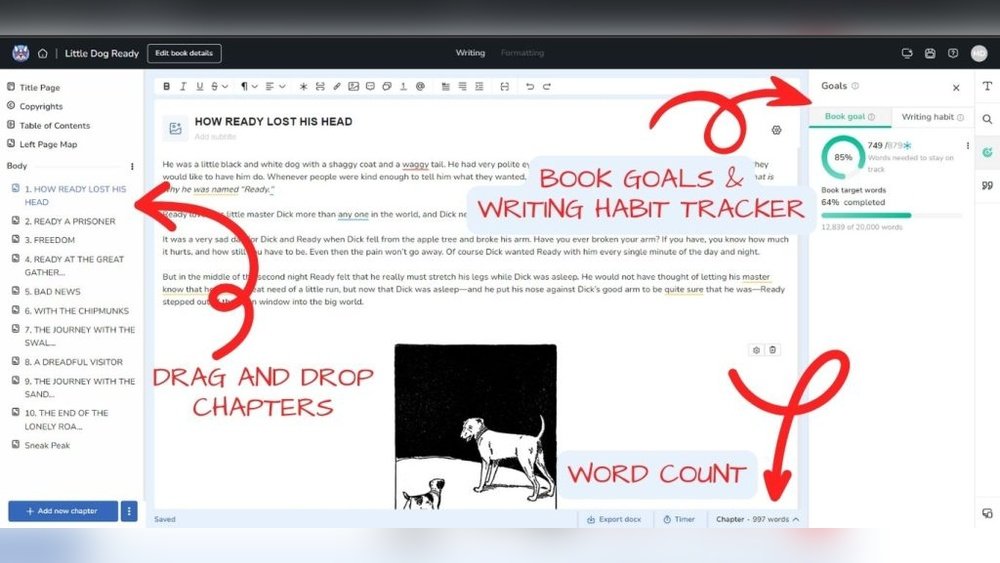
- Organizational tools like chapter management and outlines
- Distraction-free writing environments to boost focus
- Templates and formatting options for easier book creation
- Backup and cloud storage to protect work
These benefits help writers stay organized and reduce the effort needed to format their books. The software also supports multiple genres and writing styles.
| Key Benefit | Description |
|---|---|
| Improved Focus | Minimizes distractions for better writing flow |
| Efficient Organization | Keeps chapters and notes in one place |
| Time-saving Features | Auto-save, templates, and formatting tools |
| Easy Editing | Simple tools to revise and proofread text |
How These Tools Boost Creativity And Speed Up Writing
Easy book writing tools help writers develop ideas faster. They provide space to brainstorm and structure thoughts clearly. Some tools include mind maps and note-taking features that spark creativity.
By reducing technical hurdles, writers spend less time on formatting and more on writing. Automatic saving and version history prevent loss of work. Writers write confidently and quickly.
- Focus mode removes distractions to maintain flow
- Templates guide the writing process and inspire ideas
- Organized project views keep track of progress
- Built-in spell check and grammar tools improve quality
These advantages make writing less daunting and more enjoyable. Writers can finish drafts sooner and refine their stories smoothly.
Key Features Of Top Book Writing Tools
Top book writing tools offer features that simplify the writing process. They help writers stay focused, organized, and efficient. These tools combine multiple functions to support every stage of book creation.
Comprehensive Writing Environment: Streamlining Your Workflow
A comprehensive writing environment provides a clean, distraction-free space to write. It often includes:
- Full-screen mode to avoid interruptions.
- Customizable fonts and themes for comfort.
- Auto-save to protect your work.
- Word count tracking to monitor progress.
This setup helps writers maintain flow and focus during long writing sessions.
Organizational Tools: Managing Chapters, Notes, And Research
Strong organizational tools keep your project structured. Key features include:
- Chapter and scene management for easy navigation.
- Note-taking sections to store ideas and reminders.
- Research folders to save articles, links, and references.
- Drag-and-drop reordering of chapters.
These tools reduce clutter and keep all content in one place.
Formatting And Publishing Integration: Preparing Your Book With Ease
Formatting features let you design your book as you write. Look for:
- Customizable styles for headings, paragraphs, and quotes.
- Export options to PDF, EPUB, or MOBI formats.
- Direct publishing integration with platforms.
- Templates for professional book layouts.
These features save time and effort when finalizing your manuscript.
Ai Assistance And Grammar Checking: Enhancing Quality And Creativity
AI tools help improve writing quality and spark creativity. Useful functions include:
- Grammar and spell checkers to fix errors instantly.
- Style suggestions for clearer, stronger sentences.
- AI-generated prompts to overcome writer’s block.
- Vocabulary enhancement tips for variety.
These features raise the quality of your writing while supporting your creative process.
Collaboration And Cloud Sync: Writing Anytime, Anywhere
Cloud sync and collaboration tools offer flexibility and teamwork options. Important aspects include:
- Real-time syncing across devices.
- Cloud storage to access work anywhere.
- Shared editing for co-authors and editors.
- Version control to track changes.
These tools ensure your work is safe and accessible at all times.
Pricing And Affordability Breakdown
Choosing the right book writing tool depends largely on your budget and needs. youbooks offers options that cater to both new and experienced authors. Understanding pricing helps pick the best plan without overspending.
Free Tools Vs Paid Software: What You Get For Your Money
Free writing tools provide basic features but often lack advanced options. Paid software like youbooks includes extra benefits to improve your writing process.
- Free Tools – Simple text editing, limited formatting, no cloud storage.
- Paid Software – Rich formatting, project organization, backup options, and support.
Free tools suit quick drafts. Paid versions help organize, edit, and publish better.
Subscription Models And One-time Purchases Explained
youbooks offers both subscription and one-time payment plans. Each has its own advantages depending on your writing goals.
| Payment Type | Description | Best For | Typical Cost |
|---|---|---|---|
| Subscription | Monthly or yearly payments for full access to features and updates. | Writers who want regular feature upgrades and support. | $10 – $20 per month |
| One-Time Purchase | Single payment for lifetime access to the current version. | Authors preferring no recurring fees and stable features. | $150 – $200 |
Subscriptions keep tools fresh; one-time purchases save money long-term.
Value For Beginners And Professional Authors
Beginners benefit from affordable plans with easy-to-use features. youbooks provides guided templates and simple interfaces to start writing quickly.
Professional authors need advanced tools like version control, research storage, and export options. These features come with higher-tier plans but improve productivity.
- Beginners: Low-cost plans with basic tools and tutorials.
- Professionals: More expensive plans with full features and priority support.
Choosing a plan depends on writing experience and project complexity.

Credit: www.amazon.com
Pros And Cons Based On Real-world Usage
The Easy Book Writing Tool like youbooks offers distinct benefits and some challenges. Writers using it daily share insights about how it impacts their workflow and creativity. This section breaks down the main advantages and limitations seen in actual use. It also covers common user feedback and hurdles.
Advantages: Increased Productivity And Creative Flow
youbooks helps writers stay focused and organized. Users report faster writing sessions thanks to a clean, distraction-free interface. The tool provides helpful features such as:
- Simple chapter and scene organization
- Easy note-taking and idea tracking
- Fast access to outlines and drafts
Many writers find their creative flow improves because they spend less time managing files and more time writing. The tool’s structure encourages consistent progress without overwhelming the user.
Limitations: Learning Curves And Feature Overload
Some new users face a learning curve when exploring all features. The variety of options can feel overwhelming at first. For example:
- Understanding how to organize complex projects
- Configuring settings for personal preferences
- Using advanced editing and export tools
These challenges may slow early productivity but tend to lessen with time. Users suggest starting with basic functions before trying advanced features.
User Feedback And Common Challenges
| Aspect | Positive Feedback | Common Challenges |
|---|---|---|
| Interface | Clean and easy to navigate | Too many options for beginners |
| Writing Tools | Helps maintain focus and flow | Some features need better explanations |
| Project Management | Good for organizing large works | Initial setup can be confusing |
Users recommend regular practice and exploring tutorials. This reduces confusion and helps unlock the tool’s full potential. Challenges mostly involve adapting to a new system rather than software flaws.
Specific Recommendations For Ideal Users And Scenarios
Choosing the right easy book writing tool depends on your experience level, project complexity, and writing goals. Different tools fit different needs. This section helps identify which software suits various writers and situations.
Best Tools For Beginner Writers Starting Their First Book
Beginners need simple, user-friendly writing software with clear organization features. These tools help focus on writing without distractions.
- YouBooks: Clean interface, easy to navigate, and guides you through the writing process.
- Google Docs: Free, cloud-based, and great for basic writing and easy sharing.
- Dabble: Focused on story structure and simple plotting tools.
Beginners benefit from tools that offer templates, basic formatting, and easy export options. These features reduce the learning curve and keep motivation high.
Advanced Software For Authors Handling Complex Projects
Experienced writers managing large projects need powerful features like deep organization, research integration, and version control.
| Software | Key Features | Ideal For |
|---|---|---|
| Scrivener | Advanced outlining, research storage, flexible formatting | Novelists, academics, multi-chapter projects |
| YouBooks | Project management, distraction-free mode, export options | Authors with multiple drafts and edits |
| Vellum | Professional book formatting for print and ebook | Authors preparing for publishing |
These tools save time and keep complex projects organized and polished.
Tools Suited For Collaborative Writing And Editing
Collaboration needs real-time editing, comments, and easy sharing. These tools support teams or co-authors working together smoothly.
- Google Docs: Real-time collaboration with simple comment features.
- YouBooks: Built-in editing workflows and shared project access.
- Microsoft Word Online: Familiar interface with cloud collaboration.
Choose software that fits your team size and editing style.
Choosing Software Based On Genre And Publishing Goals
Genre and publishing plans influence your choice of writing tool.
- Fiction Writers: Use software with storyboarding and character tracking, like Dabble or Scrivener.
- Non-fiction Writers: Choose tools with strong research and citation management, like Scrivener or YouBooks.
- Self-Publishers: Prioritize formatting tools such as Vellum for a professional look.
- Traditional Publishing: Focus on compatibility with editors and agents, using Word or Google Docs.
Matching tools to your genre and goals streamlines the writing and publishing process.

Credit: www.atticus.io
Conclusion: Choosing The Right Book Writing Tool To Boost Creativity And Finish Fast
Choosing the right book writing tool plays a key role in writing success. The right software helps you organize ideas, stay focused, and write faster. It supports your creativity by providing easy-to-use features. Tools like youbooks offer a simple interface that reduces distractions. This allows you to spend more time writing and less time managing your work.
Good writing tools also help with structure and editing. They save time by keeping all your content in one place. This boosts productivity and helps you finish your book sooner.
Summary Of Key Benefits And Features To Consider
| Feature | Benefit |
|---|---|
| Easy Interface | Focus on writing without distractions |
| Organizational Tools | Manage chapters, notes, and research in one place |
| Speed and Performance | Write and edit quickly without slowdowns |
| Export Options | Save your work in different formats for publishing |
| Support for Creativity | Features like prompts or templates to spark ideas |
Final Tips For Maximizing Your Writing Tool’s Potential
- Set clear writing goals: Plan daily word counts or chapters.
- Use templates: Start faster with built-in outlines or formats.
- Organize research: Keep notes and references handy inside the tool.
- Regular backups: Save your work often to avoid data loss.
- Customize settings: Adjust fonts and layouts for comfort and clarity.
- Explore tutorials: Learn all features to improve efficiency.
Choosing a writing tool like youbooks can help you write creatively and finish your book faster. Focus on simplicity, organization, and speed to make your writing process smoother and more enjoyable.

Credit: www.amazon.com
Frequently Asked Questions
What Book Writing Software Is Best For Beginners?
Scrivener is ideal for beginners, offering comprehensive writing and organizing tools. Google Docs provides easy, free access with collaboration features. Dabble and Reedsy Studio also support novice authors with user-friendly interfaces. These tools help streamline the writing process effectively.
What Is The Best Tool To Use To Write A Book?
Scrivener ranks as the best tool for writing a book. It offers powerful organization, research, and drafting features for all writers.
Can I Use Chatgpt To Write A Book And Sell It?
Yes, you can use ChatGPT to write and sell a book. Ensure you edit and verify originality to avoid copyright issues.
What Is The Best Free App To Write A Book?
The best free app to write a book is Google Docs for its accessibility and collaboration features. Reedsy Studio also offers free, user-friendly book writing tools. Both support seamless writing and formatting without cost.
Conclusion
YouBooks makes writing a book simple and enjoyable. It helps organize ideas and keeps you focused. The tool fits both beginners and experienced writers well. Writing becomes less stressful with clear steps and easy features. Try YouBooks to bring your story to life smoothly.
Writing your book can be a fun, creative journey.